
There are many things that can happen during pregnancy and birth that might feel embarrassing in other settings, but are normal parts of having a baby. The possibility of pooping during labor is one of these topics. This episode addresses a listener’s questions about how common this really is and why it occurs. You will learn whether there’s anything you can do to prevent it and what the pros and cons are of methods often suggested to avoid it. We also discuss potential benefits and how exposure to fecal matter during birth may influence your baby’s gut microbiome.
Listen Now
This episode is made possible with support from our sponsors. I appreciate your support for the brands that help power this podcast.
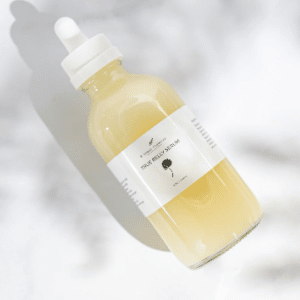
True Belly Serum from 8 Sheep Organics is specially formulated with clinically proven ingredients that penetrate deep into the skin to effectively prevent stretch marks. Like all 8 Sheep products, the True Belly Serum comes with a 100-day Happiness Guarantee. Try it completely risk-free for 100 days! Click here to save 10%.
Become a Pregnancy Podcast Premium member or log in to access all articles and episodes ad-free.
Article and Resources
Hi Vanessa,
Thank you so much for everything you do through the Pregnancy Podcast. I’ve learned more from your episodes than from any other resource, and it has helped me feel so much more prepared.
I have a question that is a little embarrassing, but I know I can’t be the only one thinking about it. I am really worried about going #2 during labor, and I keep hearing that it is common and that it means you’re pushing right, but I cannot stop worrying about it. I’m dreading the idea of it happening in front of nurses, doctors, and my husband.
How often does it actually happen? Is there anything I can do to prevent it? Any information or advice you have would be greatly appreciated. I feel like this anxiety is taking up way too much mental space, and I would love to get past it.
Thank you again for all the information and support, it truly makes such a difference.
-Anonymous
Worried About Pooping During Labor
Although many expecting moms are embarrassed to bring it up, this is a topic that comes up frequently. During pregnancy, many things are completely normal, even if we consider them off-limits for conversation, and this is one of them. You are not the only one thinking about this. It is a very common concern, and many expecting moms feel some anxiety about it. Let’s answer your questions so you can move past the worry and start feeling more excited about going into labor.
Clearing Things Out Before Labor
Prostaglandins are hormone-like substances your body produces that help initiate labor. Like your uterus, your bowel is made of smooth muscle and can be stimulated by prostaglandins. The placenta releases prostaglandins early in labor and helps soften your cervix to efface and dilate, and helps your uterus contract. This same stimulation can lead to a bowel movement or loose stools before labor begins or in early labor. Usually, this occurs when you are still at home, in the privacy of your bathroom, not in the hospital. A theoretical benefit of your concern is that it helps empty your bowels early in the first stage of labor, which may reduce the risk of anything left to come out later.
Why Pooping During Pushing Is So Common
The first stage of labor is when your cervix dilates to 10 centimeters. Once you reach that point, you move into the second stage, the pushing phase, which lasts until your baby is born. If you poop during labor, it usually happens in this stage, and there is a good reason for it.
You mentioned that you’ve heard that if you poop during labor, it means you’re pushing correctly. The mechanics of pushing your baby out are very similar to having a bowel movement. You bear down, using many of the same muscles you use during a bowel movement. Plus, your bowel runs alongside your birth canal, and as your baby moves down through the birth canal, they can put pressure on your bowels. Together, these factors explain why many moms do poop a little during labor.
How Common is It?
You asked how often this actually happens. I searched for high-quality data on how many mothers have bowel movements during labor, but I did not find a reliable estimate from research studies. However, when you talk with doctors, midwives, and labor and delivery nurses, the consensus is that it is very common. It is safe to say that the majority of laboring mothers do have at least a small bowel movement at some point during labor.
Letting Go of the Embarrassment
I understand your worries about this happening during labor. When I was pregnant with my first baby, I felt the same way. This might feel like a massive deal to you, but for your birth team, it’s not. Doctors, midwives, nurses, doulas, and hospital staff see this all the time. They handle it quickly and discreetly. They clean it up, change a pad or sheet if needed, and move on. They’re not going to announce it or make a big fuss about it.
It can seem like a frightening and embarrassing possibility. Remember that if it does occur, it’s usually just a small amount and not a complete emptying of your bowels. Someone from your care team will wipe it away or remove it before you or your partner notices. If this is a big worry for you, you can also ask your partner to stay by your head so they focus on you and not on what is happening down below.
Can You Prevent It?
The bottom line is that you cannot completely prevent a bowel movement during labor. There is a lot of terrible advice online about this. You should not limit solid foods or liquids during labor, use castor oil, or give yourself an enema to try to avoid pooping.
Labor is hard work, and it can feel like running a marathon. It is physically demanding, so you need energy. Food serves as your fuel. If you limit what you eat before labor, you might not have enough energy.
Using castor oil before labor to clear your bowels isn’t recommended. Castor oil is a controversial method for trying to induce labor. This is a stimulant laxative that increases intestinal movement. Because both the intestines and the uterus are smooth muscle, intestinal cramps can spread to the uterus and cause contractions. In one study examining castor oil for labor induction, there was no effect on labor duration or other key outcomes. Overall, there’s no strong reason to use castor oil for inducing labor or cleansing your bowels. The risks include nausea, diarrhea, and dehydration, which are the last things you would want during labor.
While an enema would theoretically clear out your bowels, there is no research available on the effects of enemas and defecation during labor. For decades, giving an enema before birth was common practice. Providers believed that emptying the bowel would create more space for the baby to move down, shorten labor, and lower the risk of infection for both mother and baby. We now know this is not an evidence-backed practice. While enemas are no longer a common practice in the United States, they are still widely used in some parts of the world in up to 60-80% of laboring mothers. The bottom line is that enemas can cause cramping, discomfort, and extra trips to the bathroom without clear benefits for you or your baby.
Possible Benefits If It Happens
I want you to move past this anxiety so you can free up your mental space and get excited about going into labor. Believe it or not, there are some potential positives if this does happen. First, if you poop during labor, it is a good sign that you are using the right muscles to push your baby out. Secondly, there may be a benefit from bacteria, since not all are harmful. In utero, your baby’s intestines are sterile. During a vaginal birth, your baby is exposed to many different bacteria from your vagina and possibly a small amount from stool. We know that the gut microbiome of babies born by cesarean differs significantly from that of babies born vaginally. This exposure is a normal part of vaginal birth and can help establish your baby’s microbiome.
Talk to Your Doctor or Midwife
Hopefully, this episode helps ease your concerns about pooping during labor. I encourage you to talk with your doctor or midwife about this. They will likely tell you that it is possible, but that it is a normal part of birth and not something they see as a big deal. In reality, if you do have a bowel movement in labor, you probably will not even be aware of it. Your partner or any other support person present will likely not know. While your doctor, midwife, or nurse may notice, to them it is simply a routine part of the birth process. I hope you can begin to see it that way, too.
Thank you to the brands that help power this podcast.
Save 10% on 8 Sheep Organics
The True Belly Serum from 8 Sheep Organics is specially formulated with clinically proven ingredients that penetrate deep into the skin to effectively prevent stretch marks. Like all 8 Sheep products, the True Belly Serum comes with a 100-day Happiness Guarantee. You can try it completely risk-free for 100 days! Click here to save 10%.

