
Sunlight comes with both benefits and risks, and pregnancy adds a few extra considerations to both. Some of the upside is real. Your body makes vitamin D from sunlight. There is evidence that the sun lifts your mood. Getting exposure to sunlight at the right times of day even helps your sleep. On the flip side, UV light damages the DNA in your skin cells, which raises your risk of skin cancer and speeds up aging. Pregnancy hormones can also change your skin and how it reacts to the sun. This episode walks through sun safety during pregnancy so you can enjoy the benefits while protecting yourself and your baby. Find out how to pick a pregnancy-safe sunscreen, what to know about tanning beds and sunless tanners, and what is considered safe sun exposure for your newborn.
Listen Now
This episode is made possible with support from our sponsors. I appreciate your support for the brands that help power this podcast.
Article and Resources
Understanding UV Light
Some of the light the sun emits is ultraviolet (UV) radiation, a type of electromagnetic radiation. The Earth’s atmosphere filters out much of it, including all UVC. The UV that reaches the surface is roughly 95% UVA and 5% UVB. You need UVB to make vitamin D. UVA, on the other hand, contributes to skin damage and premature aging. Even when you are indoors, exposure matters. UVB rays do not pass through glass, but UVA rays do. This means that to get the benefits of sunlight, like vitamin D, you need direct sun, not sunlight filtered through a window. At the same time, you are still getting some aging UVA exposure sitting by a sunny window, even though you cannot make vitamin D there.
The UV Index measures the strength of UV radiation on a scale from 0 to 11+. The higher the number, the stronger your exposure. UV radiation peaks around solar noon, typically between 10:00 a.m. and 2:00 p.m. As a result, going outside earlier or later in the day can significantly reduce your exposure. You can find the UV Index for your area in most weather apps. A few other factors also increase UV levels. UV tends to be higher in summer, closer to the equator, at higher altitudes, and on clear days. In addition, reflective surfaces like snow and water reflect UV back at you, so you can still get more exposure even when you are sitting in the shade.
The Benefits of Getting Some Sun
Sunlight is not the enemy, and we are naturally meant to spend time in it. The most well-established benefit is vitamin D. Beyond that, sunlight has a real effect on your mood. In a study that measured brain chemistry directly, researchers found that serotonin production increased with the amount of bright sunlight on a given day. Serotonin is a neurotransmitter tied to feelings of well-being, so more daylight translates into a better mood.
Sunlight also helps your sleep. As we cover in the episode on how blue light affects your pregnancy, getting natural light at key times, like sunrise or when you first wake up, helps set your circadian rhythm. Your internal clock tells your body when to feel alert and when to wind down, so daytime light exposure helps you sleep better at night.
There may be benefits during pregnancy, specifically, though the evidence here is much weaker. One review of 17 studies found that more UV exposure in the first trimester was associated with improved fetal growth. The same review also found a link between higher first-trimester UV and higher blood pressure in pregnancy. The studies behind this were observational and at high risk of bias, so this is not something to act on either way. The practical takeaway is simple. There are good reasons to get some sun, and there are also reasons not to overdo it.
Vitamin D and Pregnancy
One of the biggest upsides of sunlight is vitamin D. Approximately 90% of our vitamin D comes from the sun. When UVB hits your skin, it triggers a reaction that converts it into active forms you can use throughout the body. Vitamin D matters a lot in pregnancy, and deficiency is surprisingly common among expecting moms. It has been linked to a higher risk of preeclampsia, higher odds of a primary cesarean, and even effects on children later in life. For a deep dive on vitamin D, including how much you need and how widespread deficiency really is, see the episode on vitamin D during pregnancy.
How much vitamin D you make from the sun depends on many variables, such as where you live, the season, the time of day, and how much skin you expose. The good news is that you cannot overdose on vitamin D from the sun. The key is to get adequate exposure to the sun’s benefits, especially vitamin D, while minimizing the risks of overexposure.
What Sun Exposure Does to Your Skin
Several things happen when UV light hits your skin. We covered that UVB helps you make vitamin D. The downside is that UV light can damage the DNA in your skin cells. Over time, this can contribute to skin cancer, as well as premature aging, wrinkles, and dark spots. We are meant to be out in the daylight, so some sun exposure is unavoidable, and a reasonable amount is healthy. Thankfully, we also have built-in protection in the form of melanin.
Melanin is the natural pigment that gives your skin its color. How much you make is mostly genetic. The more melanin you produce, the darker your skin. Melanin also absorbs UV light and shields your cells from some of the damage. When your skin is exposed to UV light, your melanocytes ramp up melanin production, which creates a tan. It would be nice if that cycle worked in perfect balance, but it does not. While you may like being tan, any darkening of your skin reflects some underlying damage, even if you never actually burn. None of this means you should be afraid to be in the sun, but you should be taking measures to protect yourself.
Sun Exposure During Pregnancy
Pregnancy adds a few considerations. Thankfully, your baby is well protected from the sun inside the womb. By week 18, your baby gets better at sensing light and dark and may notice a glow when you are out in the sun. While your baby is shielded, the hormonal changes of pregnancy can affect your skin and its sensitivity to the sun.
Many expecting moms notice their skin is more sensitive during pregnancy. That can show up as redness, swelling, tenderness, or irritation in response to factors such as products, fabrics, or sun exposure.
Stretch marks are another factor. They appear when the supporting tissue beneath your skin stretches and tears during rapid growth. The result is off-color lines that can appear on your breasts, belly, hips, and thighs. They often start pink or reddish and fade to a lighter shade than your skin tone over time. Stretch marks do not contain the same amount of melanin as the surrounding skin. That means that after sun exposure, the skin around them tans while the stretch marks do not, which makes them stand out more.
Melasma is another common skin issue in pregnancy that brings additional considerations for sun exposure. During pregnancy, rising estrogen can increase melanin production, which drives changes in pigment. Melasma shows up as darker patches of skin on your forehead, cheeks, nose, or upper lip. There is no guaranteed way to prevent melasma, but limiting sun exposure helps because the sun tends to darken these patches. For a deeper look at the skin changes you may run into during pregnancy, we cover them in the episode on how pregnancy changes your skin.
Heat Exposure
Another consideration for sun exposure, in addition to UV light, is heat. If you are out in the sun in hot weather, you should take steps to avoid overheating, which can lead to hyperthermia. Hyperthermia simply means your core body temperature has risen too high, which happens when your body cannot cool itself fast enough to keep up with the heat.
During pregnancy, an elevated core temperature is a concern because of links to neural tube defects, miscarriage, and other complications. These risks of heat exposure during pregnancy are not just theoretical. Research has shown that hot weather and high temperatures can actually increase the risk of stillbirth. Another study linked higher temperatures to lower birth weights, and a meta-analysis of 15 studies found that maternal hyperthermia in early pregnancy is associated with an increased risk of neural tube defects.
On hot days, it helps to spend more time indoors with air conditioning and limit your time in direct sunlight. If you will be outside for a while, dress in cool, light clothing and stick to the shade when you can. You also need more fluids in the heat, so it is important to increase your water intake and stay hydrated. As long as you can cool down and you are not overheating, you and your baby should be fine. For more on this, including other sources of heat exposure like workouts, hot yoga, hot tubs, and saunas, see our episode on heat exposure during pregnancy.
Protecting Your Skin from the Sun
The simplest protection is also the most reliable. You can wear a hat to keep the sun off your face, cover your skin with clothing, and spend time in the shade. Be especially mindful when the UV index is high, particularly during the peak hours around midday. To protect any skin you leave exposed, you can apply sunscreen.
Choosing a Sunscreen
There are two main types of sunscreen. Chemical sunscreens absorb UV rays and convert them to heat, while physical, or mineral, sunscreens sit on the surface of your skin and deflect them. Both types work, and the label claims you see, like water-resistant, SPF, and broad-spectrum, are governed by FDA requirements.
Understanding SPF and Broad Spectrum
SPF stands for sun protection factor. It measures how much UV radiation is required to produce a sunburn on protected skin compared with unprotected skin. Scientists determine SPF in a laboratory by applying sunscreen to a small patch of skin, exposing it to UV light, and timing how long it takes to turn pink. A common misconception is that SPF tells you how long you can stay out in the sun without burning. It is really there so you can compare products. An SPF of 30 is stronger than an SPF of 15. The American Academy of Dermatology recommends at least SPF 30, which blocks about 97% of UVB rays. No sunscreen blocks 100%. You can go higher than 30, but 30 is generally sufficient as long as you apply enough and reapply often.
On that point, most people apply far less sunscreen than the amount used in testing, which means they get less protection than the SPF on the bottle suggests. Application matters as much as the number on the bottle. To get the protection you are paying for, use a generous layer. Plus, you have to reapply at least every two hours, and more often after swimming or sweating.
SPF only tells you about UVB protection. For UVA, you want a broad-spectrum sunscreen. That matters because UVA is the type of UV light that contributes most to skin damage and premature aging.
There has been some criticism about sunscreen use blocking the production of vitamin D. Under ideal lab conditions, applied at the thickness used in testing, sunscreen with an SPF of 15 can block most vitamin D production in the skin. In reality, the effect is smaller because most people apply less than that and miss spots. Since the sun really is the best source of vitamin D, this comes down to balance. Some people get a few minutes of unprotected sun before applying sunscreen, and then cover up for the rest of their time outside. The goal is enough exposure to get the benefit without lingering unprotected long enough to burn.
Lotion vs. Spray
Sunscreen comes in lotions and sprays, and the type you choose affects how well it actually protects you. Lotions are easy to apply thoroughly, and you can see exactly where you have applied them, which makes it easier to get an even, generous layer.
Sprays are convenient, especially for reapplying or reaching your back, but they have a couple of drawbacks. It is hard to tell how much you are actually applying, and people tend to apply too little to achieve the full SPF. Wind can also blow much of the product away before it lands on your skin. If you do use a spray, the guidance is to spray a generous, even coat until your skin glistens, and then rub it in, rather than a quick mist. To cover your face, spray it onto your hands first, then apply it so you are not inhaling it or getting it in your eyes.
Sunscreen Safety and Ingredients
There has been a lot of discussion about the safety of sunscreen ingredients. Remember there are two main types of sunscreen, chemical and mineral. Your skin absorbs chemical sunscreen more than mineral sunscreen, which mostly stays on the surface. There is evidence that active ingredients in chemical sunscreens (like oxybenzone) are absorbed into the bloodstream.
That said, absorption is not the same as harm. In a systematic review of 29 studies, researchers found insufficient evidence of a causal link between oxybenzone and adverse health outcomes. The two mineral active ingredients are zinc oxide and titanium dioxide. Some expecting moms lean toward mineral sunscreens during pregnancy because they tend to stay on the skin’s surface rather than be absorbed into the bloodstream.
Here is the practical bottom line if you want to keep it simple during pregnancy. A mineral sunscreen with zinc oxide or titanium dioxide is a safe default. Those are the only two active ingredients the FDA has proposed as generally recognized as safe. Common chemical filters, such as oxybenzone and avobenzone, don’t have the same classification. The FDA simply says it needs more data on them, and that review has been ongoing for years without a final decision. It is really about choosing what you are most comfortable with and finding a product you like.
If you want to dig deeper into specific products, the Environmental Working Group’s Skin Deep website offers a free sunscreen guide. The EWG suggests avoiding products with oxybenzone and vitamin A (retinyl palmitate). It is worth knowing that the EWG tends to be quite conservative and often flags ingredients that regulatory agencies still consider safe. Treat the EWG guidelines as one cautious opinion rather than the final word. Choosing a fragrance-free formula is an easy way to cut back on extra undisclosed ingredients. For more on pregnancy-safe skincare and ingredients to watch for, see our episode on pregnancy-safe skin care.
Sunburn and Sun Poisoning
There is not much research specifically on sunburn during pregnancy, but a mild burn is not a reason to panic. For a mild burn, a few simple things help. Cool the skin with a cool bath, shower, or damp cloth. You should keep yourself well hydrated, since burns draw fluid to the skin’s surface. A gentle, fragrance-free moisturizer can ease the dryness and tightness.
Aloe vera is also great for sunburns for a few reasons. It is mostly water, so it hydrates and cools the skin and helps ease the tightness of a burn. It also contains compounds with anti-inflammatory properties that may help calm redness and irritation. The research on aloe for burns is mixed, so it is best thought of as a comforting, moisturizing option rather than something that dramatically speeds healing. When choosing an aloe, check the ingredient list rather than the front of the bottle, and look for aloe at or near the top. Go for a clear gel rather than the blue or green-tinted ones, since that color just comes from added dyes. It is also worth skipping products with added alcohol or fragrance, which can dry out or irritate already-sensitive skin.
A severe sunburn with blisters or fever is more serious and is sometimes known as sun poisoning. Blisters can potentially become infected, and a fever is a concern in pregnancy. Studies have linked maternal fevers to complications like neural tube defects, oral clefts, and congenital heart defects. If you develop a fever, contact your doctor or midwife. In the meantime, you can cool down with a cool, damp washcloth on your forehead or a tepid bath or shower, and wear light clothing.
Taking over-the-counter fever reducers is common, but run any medication by your provider first, even something available over the counter. Acetaminophen, an antipyretic (fever reducer) and the active ingredient in Tylenol, has gotten a lot of attention regarding its safety in pregnancy. The main takeaway is you want to avoid a serious sunburn. For more on fevers and which fever-reducing options are safe, see the episode on preventing and treating fevers during pregnancy. For more on the safety of acetaminophen, see the episode on the safety of Tylenol in pregnancy.
Tanning Beds
Tanning beds are not safer than the sun. Like the sun, they emit UV light, mainly UVA. That means they will not do much for your vitamin D, but they will contribute to skin damage and premature aging. The World Health Organization’s International Agency for Research on Cancer classifies tanning beds as carcinogenic, and the WHO has published a detailed report on their risks, with recommendations ranging from improved public education to outright bans. The bottom line is that tanning beds are one of the most damaging ways to get a tan.
Sunless Tanners
As more has come out about the harms of UV exposure, sunless tanners have grown in popularity. The active ingredient is dihydroxyacetone, abbreviated DHA, also called glycerone. Do not confuse this with the DHA in omega-3 supplements. Dihydroxyacetone comes from plant sources like sugar beets and sugar cane. When you apply it, it reacts with amino acids on your skin’s surface, creating a darkening effect in the outermost cells. It is considered safe for topical use, though it has not been studied extensively in pregnancy, so some dermatologists suggest caution.
The Environmental Working Group rates it as a low-to-moderate hazard. Even if dihydroxyacetone itself is considered safe, a product may contain other ingredients you would rather avoid, so it is worth reading the label. It is also smart to do a small test patch first. This even goes for a product you have used before, because your skin can be more sensitive during pregnancy. The clearest caution applies to spray tans. The safety data covers DHA on the skin’s surface, not inhalation, so avoid inhaling the mist or getting it in your eyes or mouth. One more thing to remember is that a sunless tan offers no sun protection, so you still need sunscreen.
Keeping an Eye on Your Moles
Since we are talking about your skin and the sun, it is worth talking about moles. First, is the reassuring part that most moles are completely benign. Having moles or noticing them change a little during pregnancy does not mean you have skin cancer. Pregnancy naturally changes your skin. As your belly and breasts grow, the skin there stretches, and existing moles can stretch and shift along with it. Hormonal changes can also darken moles and other pigmented spots. You can expect some change, and it is usually harmless.
That said, it is good to stay aware. The main point from a review in Obstetric Medicine is that you should not automatically write off a clearly changing mole as just a pregnancy thing. If a mole is growing quickly, changing shape, changing color unevenly, bleeding, or simply looks different from your others, have a dermatologist take a look. The good news is that if a dermatologist wants to biopsy a spot, they use a local anesthetic, which is safe to have while you are expecting. The vast majority of the time, everything is fine, and a quick check is worth the peace of mind.
Sun Exposure and Your Baby
While we are on the topic of sun exposure for you, it helps to know a few things about the sun and your baby once they arrive. The American Academy of Pediatrics recommends keeping your baby out of direct sunlight for the first six months. This guidance is intentionally cautious, so please do not panic if sunlight reaches your baby. It does not mean your infant can never be outside. When they are, they should wear a hat and clothing that covers their skin or stay mostly in the shade.
For babies under six months, the AAP says you can apply a small amount of sunscreen to limited areas like the face. After six months, you can apply it more broadly. If your baby is under a year old and gets sunburned, call your pediatrician and bring any sunscreen or sun questions to them as well. My favorite face sunscreen for kids is the Sun Bum face stick. It goes on super easy and works really well.
Practical Sun Safety Tips
With all of that covered, here are the habits that make the biggest difference. When it comes to what you wear, comfort is what matters most. Lightweight clothing and a hat are among the simplest forms of sun protection.
To protect your face and slow signs of aging, dermatologists suggest using sunscreen on your face daily, even on days you expect to be indoors, since UVA reaches you through windows. A facial moisturizer or makeup with SPF makes this easy to keep up.
Apply a broad-spectrum sunscreen of at least SPF 30 about 15 minutes before heading outside. How much you need depends on how much skin is exposed. If you are in a swimsuit at the beach, the general guideline is about one ounce, roughly a shot glass full, to cover your whole body. If you mostly cover up with clothing, you need far less, just enough for your face, neck, hands, and any other exposed skin. It is easy to miss spots like the tops of your feet and your ears, so be thorough. Regardless of the SPF, reapply every two hours, and more often after swimming or sweating.
Closing Thoughts
Sun exposure during pregnancy really comes down to balance. We are meant to spend time in the sun. A reasonable amount supports your vitamin D, your mood, and your sleep. The goal is not to hide indoors, but to be intentional about it. Enjoy the gentler morning and late afternoon sun, seek shade when the sun is strongest, cover up, and use sunscreen on the skin you leave exposed. If you want some color, a sunless tanner is a far safer choice than the sun or a tanning bed. Handled this way, sun exposure is not something to fear. It is just something to be thoughtful about.
Talking to Your Doctor or Midwife
Most of what we covered today you can handle on your own, but a few situations are worth a call to your doctor or midwife. Check in if a sunburn is severe, blistering, or shows signs of infection. You should also contact your care provider if you run a fever after a severe sunburn. Bring up any mole that is clearly changing, and ask for a referral to a dermatologist if you want it looked at. Your provider is also the right person to ask about vitamin D testing or supplementing, and about the safety of ingredients in sunscreens, or self-tanners.
WANT MORE LIKE THIS?
Get every episode, ad-free, with 200+ premium only deep dives.
When a question comes up during your pregnancy, the answer is probably already a Pregnancy Podcast episode. Premium members get full access to every episode, plus every new episode ad-free.
Explore Premium7-day refund guarantee. No questions asked.
Thank you to the brands that help power this podcast.
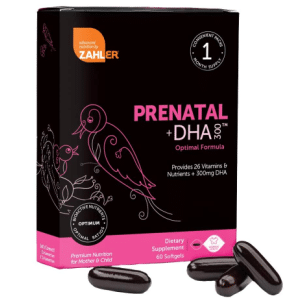
Zahler Prenatal +DHA
Choosing the right prenatal vitamin is one of the most important things you can do for a healthy pregnancy, and the Zahler Prenatal +DHA is my top recommendation. It is made with high-quality nutrients like the active form of folate and bioavailable iron, plus omega-3s you will not find in most other prenatal vitamins. Save 40% off in the month of July.
Save 40% in July
VTech VM5266 Video Baby Monitor
The VTech VM5266 is designed with sleep in mind. It has a 5-inch color LCD screen, remote pan, tilt, and zoom, and a sound-activated soothing feature that turns on the night light or projection when your baby stirs.
- 5-inch color LCD, remote pan, tilt, and zoom
- Sound-activated soothing feature
- Up to 1,000 feet of range
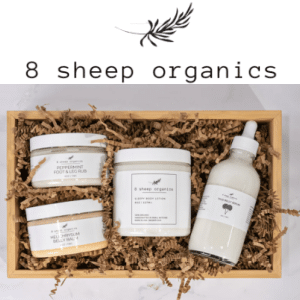
8 Sheep Organics
8 Sheep Organics makes 100% clean, natural pregnancy products. From skin care to relief for common pregnancy symptoms, every product comes with a 100-day Happiness Guarantee.
Save 10% at 8 SheepThis post includes sponsored content and affiliate links. Some brands compensate me for featuring their products, and I earn a commission on affiliate purchases. Your support helps power the Pregnancy Podcast.

