
A birth center sits in the middle ground between a home birth and a hospital. You get a home-like setting and midwife-led care built around a low-intervention birth. A birth center is not the right fit for every pregnancy, and it is not the right choice for everyone who is eligible.
It is, however, an option that many expecting parents never seriously consider. Part of that is that a birth center is less familiar than a hospital. There are also many misconceptions about what the experience is like and how safe it is. Whether you are curious about a birth center, weighing it against a hospital or home birth, or simply want to understand all of your options, this episode walks through what makes a birth center distinct. It also covers what to expect from your first prenatal visit through going home, your options for pain management, and the evidence on safety and outcomes.
Listen Now
This episode is made possible with support from our sponsors. I appreciate your support for the brands that help power this podcast.
Article and Resources
What a Birth Center Is
A birth center is a healthcare facility that provides prenatal care, birth, and postpartum care for healthy, low-risk pregnancies. The defining idea is a home-like environment paired with the midwifery model of care. Birth centers are designed to feel residential rather than clinical. Instead of a hospital bed under bright lights, you are more likely to find a regular bed, a private bathroom, a deep tub, and soft lighting. There is some clinical equipment present, but it is in the background rather than the focus.
It is just as important to be clear about what a birth center is not. A birth center is not a small hospital, and it does not have most of a hospital’s medical capabilities. There is no operating room, so a cesarean is not possible at a birth center. You do not have access to an anesthesiologist, so an epidural is not an option. There is no neonatal intensive care unit. A birth center is designed for healthy, low-risk pregnancies and relies on a relationship with a hospital for situations that require a higher level of care.
There are two main types of birth centers. The most common is a freestanding birth center, an independent facility not physically part of a hospital. There are also hospital-integrated birth centers located within or attached to a hospital but operating as a distinct unit.
There is no single universal definition of low-risk, and the exact criteria vary by birth center. Generally, you are a candidate if you are pregnant with a single baby, your baby is head-down, and you go into labor between 37 and 42 weeks, without significant medical complications. Certain conditions move a pregnancy out of the low-risk category and make a birth center unavailable. A few common examples are high blood pressure, gestational diabetes, and carrying twins or multiples. In these cases, a hospital is almost certainly the recommended venue.
Birth centers account for a small share of births in the United States. According to CDC data, about 98% of US births occur in a hospital. The remaining roughly 2%, sometimes called community births, are split between home births and freestanding birth centers, with freestanding birth centers accounting for about 0.5% of all US births. The US is unusual here. In many other high-income countries, midwives attend a much larger share of births, and out-of-hospital births are more common and better integrated into the health system.
Birth centers are regulated and operate within a framework of standards and accreditation. The American Association of Birth Centers sets the national Standards for Birth Centers, and the Commission for the Accreditation of Birth Centers is a separate, independent body that accredits centers against those standards. A few states require accreditation. Most do not, although many centers pursue it because state Medicaid programs and private insurers often require CABC accreditation for reimbursement and contracting. When you are evaluating a birth center, it is reasonable to ask whether it is accredited. That could factor into your comparison of options in your area.
What Makes a Birth Center Distinct
A few features set a birth center apart from a hospital. The most important is the midwifery model of care. This is the single biggest difference from a hospital, and it has more to do with midwifery care than with the physical setting itself. Midwifery-led care treats pregnancy and birth as normal physiologic events rather than medical conditions to be managed. In practice, that means longer prenatal appointments, more time for education and shared decision-making, and a strong emphasis on allowing labor to unfold on its own while minimizing intervention.
Another defining factor is that a birth center is designed for low-intervention, unmedicated birth. If you plan to give birth at a birth center, you are planning an unmedicated birth. An epidural and a cesarean are not available options. For many parents who choose this setting, that is part of the appeal. It is important to understand that a birth center or a home birth is not your only route to an unmedicated birth. If you want a low-intervention, unmedicated birth but also want medical pain relief available as a backup, that is entirely possible in a hospital, and there is a full episode on having a natural hospital birth.
Birth centers also differ from hospitals in size. A hospital handles a wide range of services and medical needs. A birth center has a much narrower focus. On the positive side, a smaller facility means you are likely to meet most of the staff during your pregnancy, and there is often more room to individualize your care than in a large hospital with more rigid policies. On the other side, a birth center has a limited number of rooms and can care for a limited number of clients at once.
A hospital labor and delivery unit is staffed around the clock, and you can show up at any time. A birth center is staffed for births, but it is not open 24 hours a day. If you think you are in labor, call your midwife, especially after hours, so that the team can meet you at the center and someone is there to greet you. This is a small logistical difference, but it is worth knowing in advance.
Although they are distinct from hospitals, birth centers operate within the larger healthcare system. Most birth centers are not an island. They maintain relationships with physicians and with one or more nearby hospitals, so that if you need care beyond what the center offers, there is a clear path to transfer your care.
Care Provider Model
Midwives and nurses primarily staff birth centers. This is the root of what makes a birth center different from a hospital, where obstetricians attend most births. It helps to understand the midwifery model and the types of midwives who practice in the US.
There are three midwife credentials in the United States, and they differ in training and in where they can practice. A Certified Nurse-Midwife (CNM) first becomes a registered nurse and then completes graduate-level midwifery training. CNMs are licensed in all 50 states and the District of Columbia and practice in hospitals, birth centers, and homes.
A Certified Midwife (CM) has a background in a health field other than nursing and completes a graduate-level midwifery program. CMs meet the same core competencies as CNMs and take the same national board exam, but are not nurses. CMs are currently recognized in about a dozen states plus the District of Columbia.
A Certified Professional Midwife (CPM) is a direct-entry midwife trained specifically for out-of-hospital birth, with expertise in homes and freestanding birth centers. CPMs have a path to licensure in about 37 states plus the District of Columbia. Which type of midwife staffs a particular birth center depends on the center and on state law. For a deeper comparison of midwives and of midwifery-led versus physician-led care, there is a full episode on choosing or changing your doctor or midwife.
The midwifery model emphasizes continuity of care, meaning building a relationship with the same provider or a small group of providers throughout your pregnancy, birth, and postpartum period. A Cochrane review comparing midwife-led continuity of care with other care models found that people receiving midwife-led continuity of care were less likely to have a cesarean or an instrumental birth, more likely to have a spontaneous vaginal birth, and more likely to report a positive experience. That research is about the care model, not the building, but a birth center is one of the settings where that model is most fully implemented. Many birth centers also work with other professionals, such as lactation consultants, childbirth educators, doulas, nutritionists, counselors, chiropractors, and acupuncturists.
One practical question worth asking early is who will actually attend your birth. Some birth centers have a small enough team that you may have a specific midwife present. Others work on a call schedule, so the midwife who attends your birth is whoever is on call when you go into labor. If a birth center uses an on-call model, you will generally meet the other midwives during your prenatal appointments, so whoever attends your birth is a familiar face.
What to Expect from Prenatal Care
The clinical content of prenatal care is broadly similar wherever you plan to give birth. What tends to differ at a birth center is the style and the length of the visits. If you plan a birth center birth, your prenatal care usually takes place at the birth center itself. Prenatal appointments with midwives are typically longer than standard appointments with obstetricians. More of that time goes to education, to answering your questions, and to talking through your preferences. Birth centers also tend to involve you more actively in your own care. You may be asked to do things like track your own weight or take part in parts of your assessment.
Some birth centers offer a group prenatal care model, often called centering pregnancy. In this model, you start with a one-on-one visit and exam, then join a group of other expecting parents with similar due dates for your routine appointments. Each session combines a private health check with your midwife and a longer, midwife-led group discussion. Research on group prenatal care has generally found outcomes at least as good as those of individual care.
One thing happening throughout your prenatal care is ongoing risk screening. Your midwife is continually confirming that you are still a good candidate for a birth center. If a complication develops, depending on what it is, you may need to add an obstetrician to your care or move your planned birth to a hospital. This ongoing screening is a big part of what makes birth centers safe for the people they serve.
Preparing for a Birth Center Birth
There are a few things worth sorting out ahead of time so you are ready when labor starts. The main one is knowing when to go in and who to call. Labor usually begins at home, and your midwife will give you specific guidance on when to head to the birth center. A common guideline is 5-1-1: contractions about five minutes apart, lasting one minute each, for at least one hour. Because a birth center is not open around the clock, you call your midwife first, especially after hours, so that they can meet you there. If you are not sure whether you are in labor, call anyway. Your midwife can usually tell a great deal from talking with you.
It is also worth noting that arriving at a birth center tends to involve fewer logistical considerations than arriving at a hospital. There is no large parking garage to navigate, no separate admitting department, and no check-in at the emergency room after hours. A birth center is smaller and simpler to get into, and the team is expecting you.
Arrival at the Birth Center
When you arrive at the birth center, the experience is different from arriving at a hospital. There is no triage department, no admitting desk, and no separate check-in process between contractions. Your midwife will check on you and your baby, which includes listening to your baby’s heart rate, checking your vital signs, and assessing how your labor is progressing. This may include a vaginal exam, but these are less routine than in a hospital setting.
If your midwife determines that you are not in active labor, they may suggest you return home. False alarms happen, and it is better to go in and for your midwife to send you home than to ignore real labor signs and risk not making it to the birth center in time.
Labor at a Birth Center
Labor at a birth center is meant to feel less like a medical procedure than a hospital experience. The biggest difference is that the routine policies and procedures during labor are not the same as those in a hospital.
Rather than continuous electronic monitoring, birth centers typically use intermittent fetal heart rate monitoring, often called auscultation. Your midwife listens to your baby’s heartbeat at regular intervals with a handheld Doppler. A Cochrane review comparing continuous electronic fetal monitoring with intermittent listening, across 13 trials and more than 37,000 women, found that continuous monitoring did not reduce newborn deaths or cerebral palsy. Still, it significantly increased the rates of cesarean and instrumental births.
Because you are not tethered to a CTG machine, you have more mobility than you typically would in a hospital. Movement can make a major difference in your labor. A Cochrane review of women in the first stage of labor found that walking and upright positions reduce the length of labor, the risk of cesarean, and the need for an epidural, with no apparent downside for mothers or babies. There is more on this in the episode on optimal labor positions.
Birth centers typically encourage you to eat and drink during labor. This is a notable contrast with the typical hospital approach, where hospitals often restrict solid food and routinely use IV fluids.
Hydrotherapy, the use of water during labor, is a core comfort tool in most birth centers. Most birth centers have a deep tub or birth pool. Plus, birth centers usually permit you to go through the second stage of labor and birth in water. Most hospitals require you birth on land.
A birth center also tends to offer more flexibility than a hospital regarding who is with you during labor. Many parents have their partner plus another support person, a doula, or a family member present. While birth centers still have policies and procedures, overall, they tend to be less rigid than hospitals.
Birth
Because routine procedures in a birth center setting allow you more flexibility, you have more options for the position you push in. Rather than directing you to push on your back, your provider will encourage you to push in whatever position feels most effective and comfortable for you. That might be hands-and-knees, squatting, side-lying, on a birth stool, or in the tub.
The mechanics of birth itself are very similar to those of a hospital. Your baby is born the same way, and your midwife is trained to support a safe birth and to identify any issues proactively. What tends to feel different is the atmosphere. A birth center is usually calmer, quieter, and more intimate, simply because it is a smaller setting with fewer staff members.
Birth centers are oriented toward keeping you and your baby together. Unless there is a reason to do otherwise, your baby immediately goes onto your chest for skin-to-skin contact. Midwives typically leave the umbilical cord intact for delayed cord clamping. Your midwife will support you through the third stage of labor to deliver the placenta. If you have a perineal tear, your midwife can repair it.
After Birth and Newborn Procedures
The same routine newborn procedures offered by a hospital are also part of birth center care. What tends to differ is the timing. Birth centers tend to delay newborn procedures so you can prioritize the golden hour with your baby, initiating breastfeeding, and bonding. Your midwife will assess your baby’s wellbeing in the first minutes, including APGAR scoring, though they will often delay other procedures like weighing and measuring your baby for a while.
Standard newborn procedures in the US include a vitamin K injection and erythromycin eye ointment. Each has pros and cons. Parents who choose a birth center are more likely to opt out of these procedures. A CDC investigation found that about 3% of newborns in hospitals did not receive injectable vitamin K due to parental refusal, compared with about 31% at birth centers. This is a difference in parental choice, not in what the birth center offers. Parents who tend to minimize birth interventions also tend to minimize interventions for their newborns. State law is also a factor. Some states mandate eye ointment for all newborns, and a birth center has to operate within the law where it is located.
A couple of newborn screenings come with extra logistics at a birth center. The newborn metabolic screen, the heel-prick blood test that checks for rare genetic and metabolic conditions, and the newborn hearing screen are all part of standard newborn care. Where and when they happen vary by birth center. Your midwife may perform the heel prick at the birth center after your birth or at a follow-up visit. The birth center may offer a hearing screen, sometimes on a later date, or you may need to schedule it elsewhere. Your birth center should provide instructions on how to navigate any screenings that are not available on-site.
Going Home
One of the biggest differences between a birth center and a hospital is how soon you go home. A hospital stay after a vaginal birth is usually a day or two. After a birth center birth, you typically go home the same day, often within a handful of hours, once your midwife is confident that you and your baby are both stable and doing well. Before you leave, your midwife will check you both, talk you through what to watch for, give you guidance on caring for yourself and your baby, and confirm your follow-up. It helps to have your partner or another support person present for that discharge conversation. There is a lot of information, and a second set of ears makes it easier to remember later. I also recommend recording it, so you can refer back to it if you need to.
The midwifery model tends to include more frequent postpartum follow-up than a typical OB/GYN practice. Depending on the birth center, that may mean a visit to the center within the first day or two, and some midwives may make a home visit. Ask your birth center about their postpartum schedule so you know what to expect.
Pain Management and Your Options
One of the most important things to understand about a birth center is what it does and does not offer. You can expect fewer interventions at a birth center for two reasons. First, the whole model is oriented toward physiologic birth, so interventions are used sparingly. Second, some interventions are unavailable.
The two interventions that are clearly hospital-only are an epidural and a cesarean. If you want either of those, you would need to be at a hospital. A few other interventions are also not part of birth center care. Labor induction or augmentation with a Pitocin drip is generally not done at a birth center because it calls for continuous monitoring and falls outside the low-intervention model. Although birth centers do not tend to use Pitocin to induce labor, many birth centers do carry Pitocin to manage postpartum bleeding in the third stage. An assisted vaginal delivery with forceps or a vacuum is also not part of birth center care. If any of these are needed, a hospital transfer would be required.
It is imperative that you understand what choosing a birth center means for pain management. You will be relying on non-medical comfort measures like movement and position changes, hydrotherapy, breathing and relaxation techniques, counterpressure and massage, and continuous support from your team. These are real, evidence-based tools, and there is a full episode on non-medical pain management options. Because a birth center birth is unmedicated, preparation is not optional. One of the most common reasons an unmedicated birth does not go the way someone hoped is simply not preparing for it. A childbirth class focused on unmedicated birth, a doula, and your own education all help you build a real toolkit for coping with contractions. If you decide during your labor that you want an epidural, it would require that you transfer to a hospital.
The takeaway is that a birth center is a specific choice for a specific kind of birth. Going in with a clear understanding of what is and isn’t available, and a real plan for managing labor without medical pain relief, is what makes a birth center work as it is supposed to.
The Evidence on Safety and Outcomes
For a lot of people, the idea of giving birth anywhere other than a hospital sounds unsafe, even a little scary. The honest starting point is that there is less research on birth centers than on hospital births, simply because birth centers are a small share of US births. There is, however, solid evidence that birth centers are a safe and viable option for low-risk pregnancies.
The cornerstone study is the National Birth Center Study II. It followed 15,574 women who planned to give birth at one of 79 birth centers across 33 states. More than 9 out of 10 participants who entered labor planning a birth center birth had a vaginal birth, and the cesarean rate was about 6%. For comparison, the low-risk cesarean rate in the US, for first-time mothers with a single, full-term, head-down baby, is 26.6%. A cesarean at a birth center requires a transfer to a hospital. This is more involved than being wheeled down a hallway. That reality almost certainly contributes to the low cesarean rate. Even so, the gap is large. The study found no maternal deaths. The stillbirth rate was 0.47 per 1,000. The newborn death rate was 0.40 per 1,000. These are rates comparable to what researchers report for low-risk pregnancies in other settings.
Because the National Birth Center Study II did not include a hospital comparison group, it could not directly answer whether birth center births are as safe as hospital births. A more recent study helps fill that gap.
A 2024 study used national birth data from 2018 to 2021 and analyzed roughly 8.7 million births, including more than 40,000 in birth centers, all of them low-risk pregnancies. The researchers looked at a range of newborn outcomes, including newborn death, seizures, Apgar scores, chorioamnionitis, which is an infection, the need for breathing support, and admission to a neonatal intensive care unit. Comparing birth centers with hospitals, they found no significant difference in newborn deaths or newborn seizures. They also found that chorioamnionitis, very low Apgar scores, and NICU admission were actually less likely among birth center births. This is recent, large-scale evidence. It supports what older research suggested: for low-risk pregnancies, birth centers are a viable, safe option.
A broader picture emerges from an integrative review that pulled together 32 studies involving more than 84,000 women across several countries. Across the board, women who began care in a birth center had higher rates of spontaneous vaginal birth than women who began care in hospitals. Several studies found lower rates of episiotomy and higher rates of an intact perineum after a vaginal birth. Some studies found that labor was longer for women who started in birth centers. And where studies measured satisfaction, women reported a positive experience with birth center care.
There is one important thing to keep in mind when examining research on births at a birth center. The strong outcomes in this research reflect low-risk, relatively healthy pregnancies. Birth centers are not ideal for higher-risk pregnancies. The careful, ongoing risk screening is a major reason the model is safe for the people it serves.
It is also worth knowing that birth centers remain small in number and are not necessarily accessible to everyone. According to the American Association of Birth Centers, there are currently more than 400 birth centers in the US. That number has grown over the long term, but birth centers also close, and many face real financial pressure. Part of that comes down to how insurance companies pay birth centers. Hospitals charge a separate facility fee, a charge for the use of the building and its resources. Still, there is no federal mandate requiring insurers and Medicaid to pay freestanding birth centers an equivalent fee.
On top of that, insurance and Medicaid tend to reimburse birth centers and midwives who staff them at low rates. This means insurance carriers pay birth centers less than hospitals for the same birth, which makes birth centers hard to sustain financially. Licensing rules also vary widely by state, and some states make it difficult for birth centers to operate at all. None of this is a safety concern. It is an access concern and part of why a birth center is a realistic option in some areas but not in others.
Cost and Insurance
Birth centers have lower facility costs, use fewer interventions, and send you home the same day. All of that tends to add up to a smaller bill. The challenge is insurance. Coverage for a birth center is less consistent and harder to navigate than coverage for a hospital.
Whether your insurance covers a birth center depends on your plan, your state, and the birth center itself. Many birth centers have staff who help clients work through coverage, and some offer payment plans. The best approach is to call your insurance company directly and ask specific questions. Trying to piece it together online rarely gives a clear answer. It is also a good idea to ask how your coverage would work if you were to transfer to a hospital. Navigating the cost of birth and insurance is genuinely confusing, and the episode on reducing birth costs with health insurance and tax-advantaged accounts covers it in detail.
Transfers to a Hospital
One of the biggest things to understand about planning a birth center birth is that there is always the possibility you will need to transfer to a hospital. This is not something to ignore or gloss over. If you are considering a birth center, you have to be realistic that a transfer is a possibility.
It helps to know what a transfer usually looks like, because it is rarely what people picture. Most transfers are not emergency 911 calls. Far more often, a transfer happens because labor is not progressing, because you have decided you want pain relief that is only available at a hospital. Or because your midwife sees a sign that hospital care would be safer. Most of these are well before anything becomes urgent.
The National Birth Center Study II gives useful numbers on how often this happens. Of the women who planned a birth center birth at the start of labor, 84% gave birth there. Across the full study group, about 12% transferred to a hospital during labor, around 2% transferred after giving birth, and about 2% had their babies transferred after birth. Most in-labor transfers were not emergencies, and the most common reason was a labor that was not progressing. Fewer than 1% of the study group transferred during labor for an emergency reason. Of the women who transferred during labor, more than half still had a vaginal birth.
One factor to weigh when evaluating a birth center is how close the nearest hospital is. A hospital five minutes away is very different from one an hour or two away. How quickly a transfer could happen if needed, and which hospital you would go to, are reasonable questions to ask and should factor into your decision.
Backup Planning
The reality of a transfer is exactly why a backup plan matters. When you have a solid backup plan, you go into your birth more confident because you are prepared to navigate any scenario. Hopefully, you do not need to use your backup plan, but if circumstances change during your birth and you do, you are ready.
The foundation of a backup plan is an in-depth conversation with your midwife, well ahead of going into labor, about exactly what a hospital transfer would look like. It is also worth knowing that many birth centers will require you to meet with an obstetrician during your pregnancy and to have a specific physician identified in case you need to transfer.
There are specific questions worth asking. Which hospital would you transfer to? If your preferred hospital is not the closest, what is the nearest facility? Does the birth center have obstetricians and a hospital it works with regularly? A transfer is smoother into an existing relationship rather than a cold handoff. And what happens to your midwife’s role if you transfer? Depending on the circumstances and the laws where you live, some midwives can continue with you in a support capacity, like a doula. Others have to hand over your care completely. Ask your midwife to walk you through all of it.
Because a hospital is the backup setting for a birth center birth, the episode on hospital birth is genuinely useful preparation, even if you fully expect to give birth at the birth center. Knowing what to expect from a hospital birth is part of being ready for any scenario.
Creating Your Birth Plan
A wonderful way to plan for your birth is to actually go through the process of creating a written plan. The value here is really the process you go through, working with your midwife to create it, rather than the final piece of paper. The Pregnancy Podcast has many resources to help you create your birth plan.
- Get a copy of my birth plan
- Your Birth Plan book
- A Practical Guide to Creating Your Birth Plan
- What to Expect from a Hospital Birth
- Why You Need a Backup Plan
- Become a Premium Member for access to the entire back catalog of episodes ad-free and a copy of the Your Birth Plan book.
Talking to Your Doctor or Midwife
No matter where you plan to give birth, the single most important relationship is the one with your care provider. Your midwife is your trusted partner through pregnancy and your connection to the broader medical system if you ever need it.
Use your prenatal appointments to work out the details and ask your questions. The longer, education-focused visits at a birth center are designed for exactly this. Talk through your preferences, your birth plan, and your backup plan, and ask how your midwife handles the situations that matter to you.
The more aligned you and your provider are before labor, the closer you will get to your desired birth experience. Also, remember that you are never locked in. If a birth center or a particular midwife does not feel like the right fit, you can change your care provider.
Knowing All of Your Options
The goal of this episode is to help you understand your options. If you are even mildly curious about a birth center, go tour one. Touring is something to do early, not just before labor, and if you have more than one birth center within reach, it is worth visiting all of them. Birth centers are individual places, with differences in size, amenities, staffing, policies, and feel. During a tour, you meet some of the midwives and get a sense of whether a particular center is the right fit.
You might tour a birth center near your home and decide it is not the right fit. That is a great outcome, too, because it allows you to be more confident in whatever choice you make. The main takeaway is that you have options as long as you know what they are. The best birth is one where you feel supported and empowered. A large part of that is matching what you want to the right venue for the experience you want. This episode is one of three on birth venues. A separate episode covers what to expect from a hospital birth, and another covers home birth. Exploring all three is the best way to feel confident in whichever place you choose to welcome your baby.
WANT MORE LIKE THIS?
Get every episode, ad-free, with 200+ premium only deep dives.
When a question comes up during your pregnancy, the answer is probably already a Pregnancy Podcast episode. Premium members get full access to every episode, plus every new episode ad-free.
Explore Premium7-day refund guarantee. No questions asked.
Thank you to the brands that help power this podcast.
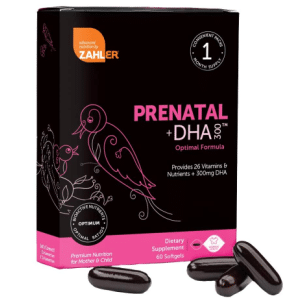
Zahler Prenatal +DHA
Choosing the right prenatal vitamin is one of the most important things you can do for a healthy pregnancy, and the Zahler Prenatal +DHA is my top recommendation. It is made with high-quality nutrients like the active form of folate and bioavailable iron, plus omega-3s you will not find in most other prenatal vitamins. Save 35% off in the month of September.
Save 35% in September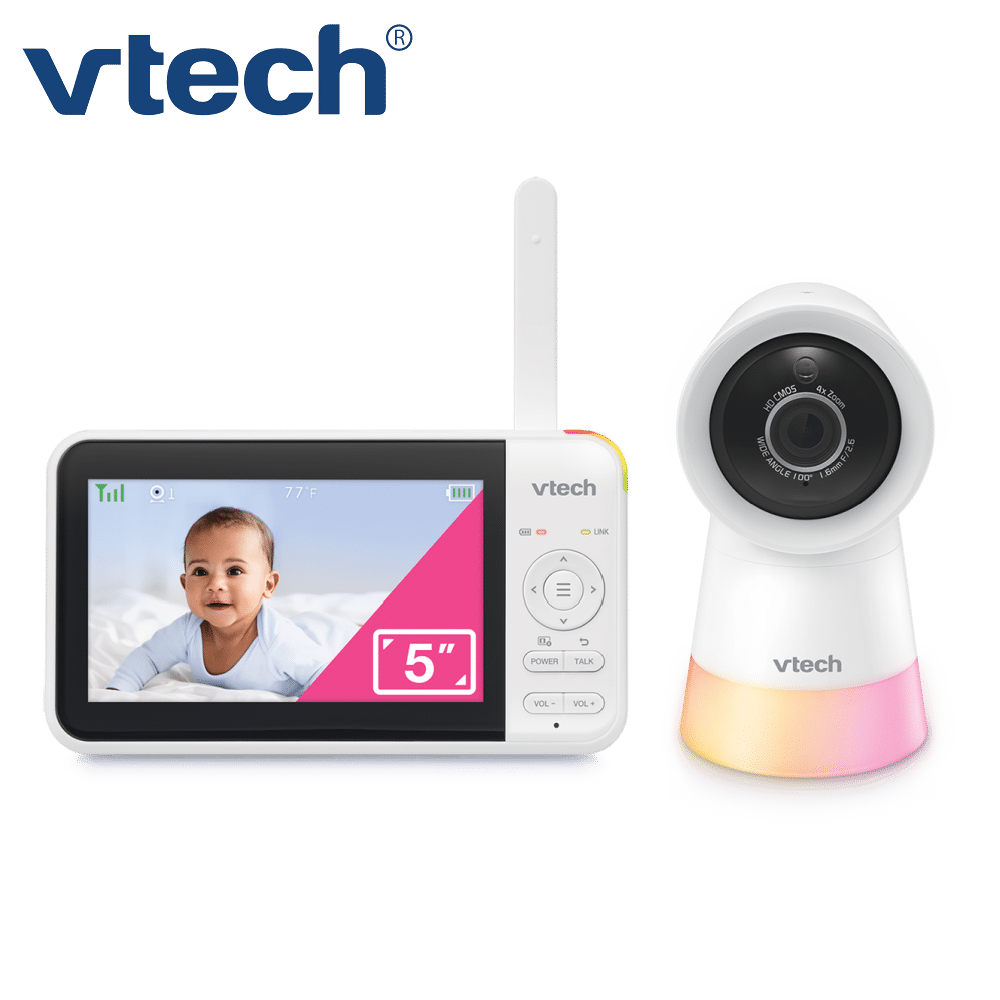
VTech VM5266 Video Baby Monitor
The VTech VM5266 is designed with sleep in mind. It has a 5-inch color LCD screen, remote pan, tilt, and zoom, and a sound-activated soothing feature that turns on the night light or projection when your baby stirs.
- 5-inch color LCD, remote pan, tilt, and zoom
- Sound-activated soothing feature
- Up to 1,000 feet of range

8 Sheep Organics
8 Sheep Organics makes 100% clean, natural pregnancy products. From skin care to relief for common pregnancy symptoms, every product comes with a 100-day Happiness Guarantee.
Save 10% at 8 SheepThis post includes sponsored content and affiliate links. Some brands compensate me for featuring their products, and I earn a commission on affiliate purchases. Your support helps power the Pregnancy Podcast.

