
The medical term for swelling during pregnancy is edema, and it affects the vast majority of expecting moms. Swelling in your legs, feet, and ankles is usually normal and nothing to worry about. However, it can occasionally signal something more serious, like preeclampsia or a blood clot. This episode explains why swelling during pregnancy happens, what you can do to prevent and treat it, and the warning signs that mean you should call your doctor or midwife. We also cover related issues like carpal tunnel and varicose veins, why swelling can actually get worse right after birth, how to handle swelling when you travel, and why so-called water pills are not the answer.
Listen Now
This episode is made possible with support from our sponsors. I appreciate your support for the brands that help power this podcast.
Article and Resources
What Swelling During Pregnancy Looks Like
Swelling during pregnancy is most common in the third trimester. Normal swelling is physiologic edema, which occurs when fluid collects in your tissues. In your legs and feet, this is also called peripheral edema. Swelling can also show up in your hands, and you may notice it when your rings stop fitting. Edema can come with numbness, tingling, or an achy feeling in your legs and feet. Plus, let’s be honest, no one loves the look of swollen feet or ankles.
As many as 80% of pregnancies involve some lower-limb swelling, so if this is happening to you, you are in good company. Swelling tends to build as pregnancy progresses, and it usually peaks in the third trimester. The good news is that for most women, it resolves on its own in the weeks after birth.
Why Pregnancy Causes Swelling
Several normal changes during pregnancy work together to cause swelling. The first is fluid. Your body produces up to about 50% more blood and fluid to support your growing baby. That extra volume has to go somewhere, and some of it settles into your tissue.
The second reason is pressure. As your uterus grows, it presses on the blood vessels in your pelvis and legs. This pressure slows down circulation and causes blood to pool in your legs, ankles, and feet. The third reason is hormonal. Some of the elevated hormones during pregnancy soften the walls of your veins, which means they do not work quite as efficiently at moving blood back up toward your heart.
Other Things That Can Contribute to Swelling
On top of the physical changes of pregnancy, your environment and your diet can add to edema. The good news is that these are things you have some control over.
Heat
Hot weather can worsen swelling, which is why edema is often more noticeable in the summer months. Watching your heat exposure and staying cool can help both prevent and reduce swelling. If your legs or feet are already swollen, an ice pack or a cold compress can give you some relief.
Sodium and Potassium
Your diet can also play a role. Sodium and potassium are the two main electrolytes in your body, and they work together to help you regulate fluids. When your sodium is high, it can throw that balance off. To help your body out, you can watch how much sodium you are eating and add more high-potassium foods. Processed foods tend to be highest in sodium, so they are a good place to start cutting back.
You will not see potassium listed on your prenatal vitamin, because potassium is something you should be getting from your diet. Some of the foods highest in potassium are avocados, beets, bananas, sweet potatoes, spinach, watermelon, and potatoes.
Caffeine and Dehydration
During pregnancy, it is unlikely you are drinking large amounts of caffeine. Still, it is worth knowing that caffeine is a diuretic, so it makes you urinate more often. That can leave you mildly dehydrated, and dehydration is its own contributor to swelling. When your body senses it is short on fluid, it holds on to as much as it can, which adds to edema.
How to Treat and Prevent Swelling
The good news is that there are many simple adjustments that can help prevent and reduce swelling during pregnancy. Most of them are free and easy to work into your day. If you only remember a few, the highest-impact moves are elevating your feet above your heart, moving regularly instead of sitting or standing for long stretches, staying hydrated, and using compression when you need it. Everything else builds on those.
Elevating Your Feet
The easiest way to reduce swelling in your feet, ankles, and legs is to elevate your feet as often as you can. Ideally, you want your feet above the level of your heart. This helps the fluid that has pooled in your lower body move back toward your pelvis.
Of course, if your job keeps you standing or sitting for long stretches, propping your feet up is not always realistic. If you usually stand for long periods at work, ask for a seat. If you are sitting all day, avoid crossing your legs, because that can restrict blood flow. Propping your feet on your desk may not go over well at the office, but even a small stool or a box under your desk can raise them enough to help.
Water Immersion
Water immersion is another option, and it works because water puts pressure on your body, which helps push fluid out of your tissue. This pressure is called hydrostatic force, and it increases the deeper you go. One easy way to use it is to fill a bucket with water and soak your feet, and cold water is a bonus. Keep in mind that soaking your feet in a bucket is not the same as being in a pool. The deeper your legs are, the more pressure they get, so standing in a pool gives you more of this effect than a shallow soak. Floating or swimming also helps, because your body is no longer upright and blood flow to your legs and feet is less restricted.
One study compared leg elevation to water immersion for leg edema. Half of the participants immersed their legs to the knee in a container of tap water for 20 minutes. The other group sat upright with their legs elevated above heart level for 20 minutes. After doing this twice a day for two weeks, 85% of the elevation group had no edema, compared to 75.5% of the group who soaked their legs in water. If you enjoy the water, immersion can be a great option, and we cover it more in the episode on the benefits of water during pregnancy. From an evidence standpoint, though, simply elevating your feet works just as well, if not better.
Massage
There are many benefits to massage during pregnancy, and there is some evidence that foot massage can help with swelling in the legs and feet. That study looked at general foot massage, which is a little different from manual lymphatic drainage. Lymphatic drainage is a specific technique that uses gentle strokes in an upward motion toward your heart to encourage fluid and lymph movement. One small randomized trial in pregnant women with swelling found that manual lymphatic drainage helped reduce edema and eased related discomfort like heaviness and tingling. It was a small study, so the evidence is promising rather than definitive. Either way, massage is low-risk and can feel wonderful. It can come from a prenatal massage therapist, a foot rub from your partner or a friend, or even massaging your own feet if no one else is available.
Compression Stockings
Compression stockings may not be the most glamorous item in your closet, but they can genuinely help prevent and treat swelling. These stockings apply graduated pressure, meaning the pressure is highest at your ankle and eases as they move up your leg. Knee-high options can end up too tight in the middle of your leg and actually make swelling worse. During pregnancy, you may want stockings that go all the way up to your waist, ideally maternity versions that are designed to be comfortable over your growing belly. On that note, it is a good idea to avoid any clothing that is tight or uncomfortable, especially around your arms or legs.
Comfortable Shoes
Comfortable shoes will not make swelling go away, but they make a real difference in how your feet feel when they are already swollen. As your feet swell, tight or narrow shoes start to pinch and can restrict circulation, which makes things worse. Strappy heels and sandals can leave marks or dig into puffy feet, and squeezing into shoes that no longer fit is a recipe for discomfort. Opt for roomy, supportive shoes with a bit of stretch. If you have an office job and usually wear heels, a good pair of flats can make a real difference.
Movement
Movement is a big help for swelling. Take breaks throughout the day to stretch your legs and walk around. Any type of exercise, even walking, promotes circulation. One study found that exercising in a pool helped reduce swelling, which lines up with what we saw earlier about water immersion. Reducing swelling and improving circulation are just one item on a long list of reasons to stay active during pregnancy. The key to sticking with exercise is finding workouts you actually enjoy.
Staying Hydrated
It may seem counterintuitive that drinking water helps with swelling. Staying hydrated actually helps your body hold on to less fluid. When you are dehydrated, your body clings to as much liquid as it can, which contributes to edema. Your fluid needs are higher during pregnancy, and the American College of Obstetricians and Gynecologists recommends drinking 64 to 96 ounces, or about 1.9 to 2.8 liters, of water every day. If you are exercising or out in hot weather, you may need more to stay properly hydrated. We go deeper on this in the episode on hydration and drinking water.
Carpal Tunnel and Swelling in Your Hands
Swelling does not only affect your feet and legs. When fluid builds up in your wrists, it can press on the median nerve, which runs down your arm and into your hand. This is what causes carpal tunnel syndrome, and it can lead to tingling, numbness, and even a weaker grip. One study found that about 34% of women reported carpal tunnel symptoms during pregnancy, and it linked those symptoms to fluid retention. It tends to show up in the second and third trimesters, right when swelling is most common.
If you are dealing with it, anything that helps with overall swelling can help here too, because less fluid in your wrists means less pressure on the nerve. A wrist splint worn at night is one of the most effective things you can do. When you sleep, you naturally curl your wrists, which narrows the space the nerve passes through and makes symptoms worse. A splint holds your wrist straight so that space stays as open as possible. Ice can ease the pain by calming the swelling that is compressing the nerve. Gentle stretching of your hands and wrists helps keep the nerve and tendons moving. The evidence for the night splint is stronger than it is for ice and stretching, but all of them are low-risk and worth trying.
If you spend a lot of time at a desk, take breaks and adjust your keyboard or chair so your wrists are not bent while you type. The good news is that pregnancy carpal tunnel almost always goes away on its own after birth, once the swelling resolves. There is more in the full episode on pregnancy carpal tunnel syndrome.
Varicose and Spider Veins
The same changes that cause swelling can also lead to varicose and spider veins. Your increased blood volume, the pressure from your growing uterus on the veins in your lower body, and progesterone relaxing your blood vessels all make your veins work harder. Spider veins are tiny red or bluish veins that usually appear on your legs, and they are painless. Varicose veins are larger, and they can bulge out and feel uncomfortable for some women. Hemorrhoids are actually varicose veins that show up in your rectum.
Varicose veins also have a strong hereditary component, so if your mother had them, you are more likely to as well. The good news is that the same habits that reduce swelling also help with these veins. Anything that promotes blood flow can improve their appearance. Avoid standing for long periods or sitting with your legs crossed, and prop up your feet when you can. The position you sleep in matters too. Sleeping on your left side eases pressure on a large vein called the vena cava, which helps blood flow from your lower body back up to your heart. Staying hydrated, exercising, and wearing compression stockings all help as well.
Like swelling, spider and varicose veins usually improve in the months after you have your baby. If they stick around, you can talk to your doctor or dermatologist about treatments like laser therapy or sclerotherapy, which are common options for veins that do not fade on their own. There is more on this in the episode on how pregnancy changes your skin.
A Word on Diuretics
You may wonder whether a diuretic, sometimes called a water pill, could help drain the extra fluid. Over-the-counter water pills, sold under brand names like Diurex and Aqua-Ban, are marketed for bloating, puffiness, and water weight, often around the menstrual cycle. So it is a natural thing to consider when your ankles are swollen.
For normal pregnancy swelling, though, the answer is no. Diuretics are not routinely recommended during pregnancy. They do not fix the underlying cause of physiologic swelling, and because they shrink your plasma volume, they can actually work against you. For this reason, diuretics and heavily salt-restricted diets are generally discouraged for treating normal pregnancy edema. The recommended approach is the simple stuff we have already covered, like elevation, movement, and compression. A provider might prescribe a diuretic for a specific medical condition, but that is a different situation from everyday pregnancy swelling. As always, do not start any medication during pregnancy without talking to your doctor or midwife.
Swelling and Travel
Travel deserves its own mention, because long stretches of sitting are hard on your circulation. Whether you are on a plane, in a car, or on a train, sitting still for a long time lets blood pool in your legs and makes swelling worse. The same changes that cause everyday swelling also raise your risk of a blood clot, and long periods of immobility add to that risk. The good news is that the fixes are simple, and we cover them in more detail in the guide to traveling while pregnant.
The single best thing you can do is get up and move. On a plane, an aisle seat makes it easier to stand, stretch, and walk around. On a road trip, stop often to get out and walk. Stay hydrated, since that helps with both swelling and blood flow, and skip the tight clothing. Compression socks or stockings are especially helpful on travel days, just try them on ahead of time to be sure they fit well and are not cutting off circulation. If you have a long flight or a history of blood clots, it is worth talking to your doctor or midwife before you travel.
Swelling After Birth
Here is something that catches a lot of new moms off guard. Swelling can actually get worse in the days right after birth, not better. Part of this is the fluid your body has been holding all along working its way out. If you received IV fluids during labor, that can add to it, and IV fluids are very common, especially with an epidural or an induction. Over-hydrating through an IV can cause edema, and it may take a few days for your body to clear that extra fluid after your baby arrives.
Postpartum swelling is usually normal and temporary, and the same strategies still apply. Keep elevating your feet, keep moving as you are able, and stay hydrated. For most women, it eases within the first week or so, though it can take a couple of weeks to fully settle. That said, the warning signs below matter just as much after birth as they do during pregnancy, so keep them in mind during your recovery.
When to Call Your Doctor or Midwife
Normal swelling is a common pregnancy symptom, and while it is usually harmless, it can definitely be uncomfortable and annoying. Occasionally, though, it can point to something more serious, like preeclampsia, a blood clot, or an infection. If you are ever concerned about a symptom, contact your doctor or midwife. It is always better to check in and get an expert opinion than to worry on your own.
One of the most important reasons to pay attention to swelling is preeclampsia, a serious condition involving high blood pressure that usually develops after 20 weeks. You cannot feel your blood pressure rising, but there are symptoms you can notice. The signs of preeclampsia include swelling in your face or hands, a persistent headache, changes in your vision or seeing spots, pain in your upper abdomen or shoulder, nausea or vomiting in the second half of pregnancy, sudden weight gain, and difficulty breathing. The key distinction is that normal swelling builds gradually and settles in your feet and ankles, while the swelling of preeclampsia often comes on suddenly and affects your face and hands.
Another concern is a blood clot, known as deep vein thrombosis. Pregnancy raises your risk of clots, so this is worth understanding. The telltale sign is swelling in just one leg, especially when it comes with pain, tenderness, warmth, or redness. Normal pregnancy swelling is usually fairly even on both sides, so swelling that is clearly worse in one leg is a reason to call your provider promptly.
Here are the signs that swelling could be something more serious and worth a call to your provider. Swelling in your face or around your eyes, or sudden swelling anywhere, especially combined with a headache, vision changes, nausea, upper abdominal or shoulder pain, sudden weight gain, or shortness of breath. These can be signs of preeclampsia.
More swelling in one leg than the other, especially with pain, tenderness, warmth, or redness. This can be a sign of a blood clot. Swelling that comes with chest pain or any difficulty breathing. A red, warm, tender area of swelling, which can be a sign of a skin infection called cellulitis. Extreme or sudden swelling in your hands, feet, or ankles. Normal edema tends to build gradually through the day and feels most bothersome by evening.
Closing Thoughts
Swelling is one of the most common parts of pregnancy, and for the vast majority of women, it is completely normal. It can be uncomfortable and frustrating, but it is usually your body doing exactly what it is supposed to do. It also helps to have realistic expectations. You can absolutely reduce and manage swelling, but you may not eliminate it entirely, and for many women it does not fully resolve until after birth.
Talking to Your Doctor or Midwife
Your provider checks your blood pressure and looks at your hands and feet at every prenatal appointment, so swelling is already on their radar. What they cannot see is what you notice between visits. If your swelling comes on suddenly, is worse in one leg, or shows up in your face and hands, tell them right away rather than waiting for your next appointment. You know your body better than anyone, and flagging a change early is exactly how these visits are meant to work.
WANT MORE LIKE THIS?
Get every episode, ad-free, with 200+ premium only deep dives.
When a question comes up during your pregnancy, the answer is probably already a Pregnancy Podcast episode. Premium members get full access to every episode, plus every new episode ad-free.
Explore Premium7-day refund guarantee. No questions asked.
Thank you to the brands that help power this podcast.
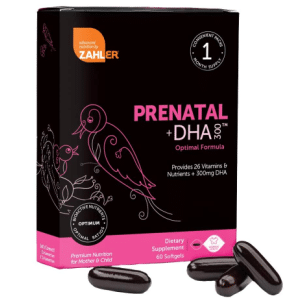
Zahler Prenatal +DHA
Choosing the right prenatal vitamin is one of the most important things you can do for a healthy pregnancy, and the Zahler Prenatal +DHA is my top recommendation. It is made with high-quality nutrients like the active form of folate and bioavailable iron, plus omega-3s you will not find in most other prenatal vitamins. Save 35% off in the month of September.
Save 35% in September
8 Sheep Organics
8 Sheep Organics makes 100% clean, natural pregnancy products. From skin care to relief for common pregnancy symptoms, every product comes with a 100-day Happiness Guarantee.
Save 10% at 8 SheepThis post includes sponsored content and affiliate links. Some brands compensate me for featuring their products, and I earn a commission on affiliate purchases. Your support helps power the Pregnancy Podcast.

