
Pregnancy cravings and aversions are common symptoms during pregnancy. While it may be fun to make jokes about pickles and ice cream, for some expecting moms, this can be a source of stress. You may find yourself craving junk food or completely turned off by healthy foods, even though they were once a normal part of your diet. This episode explains why cravings and aversions occur and how they can affect your diet. Learn what the research really tells us, and just as importantly, what it does not. If you have ever felt curious about your cravings, frustrated by aversions, or stressed out about how this affects your diet, this episode will help you understand why this happens, what is normal, and when to get support.
Listen Now
This episode is made possible with support from our sponsors. I appreciate your support for the brands that help power this podcast.
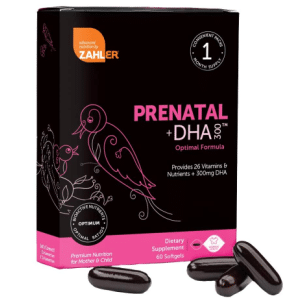
40% off the Zahler Prenatal +DHA on Amazon with code ZAPREN40. The Zahler Prenatal +DHA is made with high-quality nutrients like the active form of folate and bioavailable iron. Plus, it includes essential nutrients like omega-3s that you will not find in most other prenatal vitamins. (40% off through 1/31/26. The current promo code is always available here.)

Save 20% OFF the VTech Smart HD Plus with the code VTPODCAST20. The Smart HD Plus offers high-definition video and night vision on a 5.5” parent unit and smartphone, with no monthly fees. As the #1 Baby Monitor Brand in North America, VTech is trusted by millions of families. Click here to check out the VTech Smart HD Plus and use the code VTPODCAST20 to save 20%.
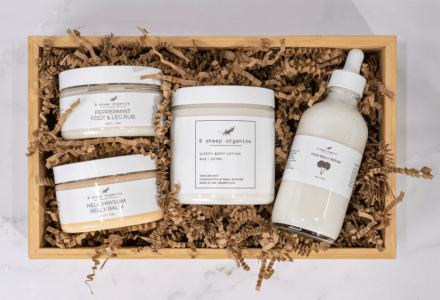
From skin care to treating common pregnancy symptoms like stretch marks, 8 Sheep Organics has you covered. Every product comes with a 100-Day Happiness Guarantee. If you’re not 100% happy with your purchase, simply send them an email and they will get you a refund, no questions asked. Click here to save 10%.
Become a Pregnancy Podcast Premium member or log in to access all articles and episodes ad-free.
Article and Resources
How Evolution Shapes Our Relationship With Food
Food plays a powerful role in our lives, and that is not by accident. Throughout evolution, food, and especially higher-fat, more energy-dense foods, have developed strong reward value because they help us survive. Our brains are constantly integrating signals from our senses, like taste and smell, with hunger and fullness signals from the body, along with emotions, thoughts, and past experiences. We once had to hunt, gather, and eat whatever we could find or store. Now we live in an environment of abundance, with constant access to a wide variety of foods. With so many options, it is completely normal to crave certain foods from time to time.
During pregnancy, your relationship with food becomes even more complex. Your nutrient and energy needs increase, you need to support your baby’s development, and there is a lot of focus on how much weight you gain. As a result, food choices feel more important during this time.
What Pregnancy Cravings and Aversions Actually Look Like
A food craving differs from hunger; it is a strong, specific urge for a particular food. An aversion is the opposite. It’s a sudden, sometimes very intense dislike for foods that you would normally enjoy. For some expecting moms, this looks like nonstop cravings for carbohydrates, sweets, or salty snacks. You may find yourself craving strange foods like pickles and ice cream. For others, it can be a turn-off to foods like meat or things you previously enjoyed and ate regularly. Sometimes it’s not even the taste of the food that’s the problem with an aversion. The smell or the texture of a food can also be enough to make it completely unappealing. If cravings or aversions steer you towards unhealthier options, that can be stressful during a time when there is so much focus on being healthy.
Why Pregnancy Changes Your Relationship With Food
Several key factors can help explain why pregnancy can change your relationship with food. First, hormonal changes during pregnancy can affect how you experience taste and smell, making foods seem stronger, different, or more intense. Many expecting moms have a heightened sense of smell, so foods that once seemed pretty neutral or enjoyable can suddenly be overwhelming. If you are experiencing nausea, or morning sickness, that can also play a role and limit your options. Plus, as your pregnancy progresses, your food preferences may also change.
Aversions to Meat or Healthy Foods
One common aversion is meat. This can be especially concerning if you are tracking macros or are concerned about whether you are getting enough protein. There are a few reasons why aversions to meat are so common in pregnancy. Meat often has a stronger smell, especially when it is raw or cooking, which can be overwhelming if your sense of smell is heightened. It also has a distinct texture and can pose safety risks if you do not handle or prepare it properly. If you develop an aversion to chicken, beef, pork, or seafood, this is usually temporary and often improves as pregnancy goes on.
In the event that protein intake is a concern, there are many other ways to meet your needs, including plant-based options like legumes. If you are a vegetarian or vegan, it is absolutely possible to meet your protein requirements without including animal products. If certain foods are often recommended as “healthy” but sound completely unappealing to you, it is okay to skip them or find an alternative that works for you.
The Truth About Junk Food Cravings
Junk food cravings are one of the most common sources of guilt during pregnancy. Many expecting moms notice stronger cravings for simple carbohydrates, salty snacks, sugary foods, or more processed options. These foods tend to be highly palatable and comforting, making them especially appealing during pregnancy. Wanting or eating these foods does not mean you are failing at nutrition or harming your baby. By caving into cravings for foods that are often labeled as “unhealthy,” you do not undo the overall quality of your diet. Nutrition is not defined by a single food, a single meal, or a single day, and the negative impact of food guilt may outweigh the downside of indulging.
It is also important to acknowledge the reality of eating when nausea or morning sickness limits what you can tolerate. For pregnant women dealing with morning sickness, the challenge is not to eat a perfectly balanced diet, but to eat at all. Simple foods like crackers, toast, or other easy-to-digest options may be the only things that are manageable, and that is okay. This short-term “survival eating” is very different from long-term nutrition. Flexibility matters during these phases, and nourishment looks different when your body is dealing with nausea. As symptoms improve, food options often expand again. If nausea makes eating difficult, give yourself permission to eat what you can tolerate, without rigid rules or guilt.
What the Research Says
There is quite a bit of research on food cravings and aversions during pregnancy. Let’s walk through what the research can tell us, and what we can learn about why cravings or aversions happen and how these impact your health.
How Common Are Pregnancy Cravings?
One study examined pregnancy cravings and explored how factors like health, lifestyle, and demographics related to cravings. About three-quarters of the women in the study reported experiencing food cravings during pregnancy. When researchers looked at what foods were most commonly craved, sweets and salty foods topped the list.
Common Myths About Food Cravings
There are a lot of common myths about food cravings ranging from cravings indicating a deficiency to being able to predict your baby’s sex by what you are craving.
One research paper reviewed the most common hypothesis for why food cravings happen during pregnancy. This includes hormonal changes, nutritional deficiencies, pharmacologically active ingredients in foods, and cultural and psychosocial factors. Across the literature, there is little evidence that hormones directly cause cravings. Hormonal changes may play an indirect role by altering taste and smell, which can shape food preferences. There is also no evidence that craving results from nutritional deficiency. An example of this incorrect hypothesis is that you crave oranges if you need vitamin C. Researchers also debunked that people crave foods due to specific compounds that have drug-like effects. An example of this incorrect theory is that premenstrual women crave chocolate due to the caffeine and theobromine contained in cacao to help with fatigue or low mood.
A major emphasis of this paper is the role of culture and psychology. The authors argue that cravings often arise from mental tension between wanting certain highly palatable foods and trying to avoid them because of guilt, rules, or expectations. In U.S. culture, pregnancy appears to act as a socially accepted “permission slip” to relax food restrictions. This in turn makes cravings more noticeable and easier to act on. This helps explain why cravings may feel stronger in pregnancy without pregnancy being the direct cause. The paper also clearly distinguishes typical food cravings from pica, which involves persistent consumption of non-food substances and is relatively rare in pregnancy in the U.S. Overall, the authors conclude that pregnancy cravings are best understood not as a biological signal of nutritional need, but as a complex interaction between sensory changes, learned behaviors, emotional factors, and cultural beliefs about food and pregnancy.
How Women Experience Cravings Psychologically
Another study used focus groups to find out how pregnant women experience and respond to food cravings. Researchers asked open-ended questions about eating behaviors and cravings. Participants consistently described cravings as urgent and very specific, and as mentally demanding rather than simply hunger. Many women shared their own beliefs about why cravings happen and their reasoning for giving in to them. When it came to managing cravings, women described a range of strategies, from limiting access to certain foods to using distraction or other coping strategies to simply accepting the craving and satisfying it. Overall, food cravings were described as a psychologically significant part of pregnancy, often tied to emotions and strong reactions, rather than just a physical need for food.
What Animal Research Can Tell Us About Cravings
There is also research from animal models that helps explain what may be happening behind the scenes. In one study, researchers used a mouse model to explore whether pregnancy cravings are driven by changes in the brain’s reward system rather than the nutritional needs of the fetus. Pregnant mice were more motivated to seek out sweet and highly palatable foods than non-pregnant mice, even though their overall calorie intake stayed the same. These behaviors appeared during pregnancy and resolved afterward.
Notably, the same patterns were seen in pseudopregnant mice that experienced pregnancy-related hormonal changes without carrying embryos, suggesting the cravings were not driven by fetal demand. At the brain level, pregnancy altered dopamine signaling in key reward centers, and when that signaling was blocked, the craving-like behaviors disappeared. While this was an animal study, it supports the idea that pregnancy cravings may be linked to changes in brain reward pathways rather than nutrient deficiencies.
Comfort Foods, Guilt, And Cultural Context
Another study adds some helpful nuance to how cravings show up during pregnancy and how women feel about them. This research compared pregnant, postpartum, and non-pregnant participants. Across all groups, sweet and salty foods were the most commonly craved. Pregnant women showed a distinct preference for foods described as cold. Non-pregnant women were more likely to crave warm, creamy, or thick foods. Nearly all pregnant participants reported craving comfort foods, with sweets topping the list, followed by non-citrus fruits and fast food. The study also discussed how comfort foods activate reward pathways in the brain, involving neurotransmitters such as dopamine and serotonin. As a result, comfort foods may feel both emotionally and physiologically soothing.
One observation that stood out was that feelings of guilt around comfort eating appeared to be weaker during pregnancy. Cultural narratives like “eating for two” or the idea that cravings reflect the baby’s needs may make indulgence feel more acceptable. In some ways, being pregnant reduces the shame or guilt that often accompanies comfort eating outside of pregnancy.
Research on Cravings and Weight Gain
A lot of research looks at how food cravings relate to gestational weight gain. Weight gain gets so much attention because excess weight gain during pregnancy is one of the most common high-risk obstetric concerns. Research shows that food cravings tend to lead to increased consumption of the foods craved. In pregnancy, this raises important questions about how cravings, eating patterns, and weight gain intersect, and whether cravings themselves are the issue or if the broader context around food, restriction, and expectations plays a larger role.
One study specifically examined whether pregnancy food cravings translate into meaningful changes in diet or weight gain. About 39% of women in the study reported experiencing food cravings, most commonly for sweet foods, fruit, and dairy. Women who reported cravings consumed slightly more calories overall. However, after adjusting for total energy intake, there were no meaningful differences in diet quality or nutrient intake between those with cravings and those without. Importantly, cravings were not associated with excessive gestational weight gain, changes in blood sugar control, or differences in infant outcomes. This shows that cravings may lead to a small increase in calories. However, cravings alone do not drive poor nutrition or negative pregnancy outcomes.
Summarizing the Research
When you step back and look at all this research together, a few clear themes emerge. Food cravings and aversions are extremely common during pregnancy and often center on familiar, palatable foods. A combination of sensory changes, brain reward pathways, emotions, and cultural context shape food cravings. The evidence does not support the idea that cravings are a reliable signal of nutritional deficiencies. Very importantly, cravings do they appear to independently drive poor diet quality, excessive weight gain, blood sugar issues, or negative outcomes for babies. Pregnancy seems to be a time when cravings become more noticeable and more acceptable. Hopefully, understanding this context can help take some of the pressure, fear, and guilt out of food choices, making it easier to approach eating during pregnancy with flexibility.
How To Navigate Cravings And Aversions Without Stress
We have covered a lot of information and research on pregnancy cravings. Let’s wrap up with some practical, low-pressure ways to navigate this without adding stress. If you have aversions, focus on what you can tolerate rather than what you think you should eat. If nausea or aversions are strong, eating something is often more important than hitting a perfect nutrition target in that moment. You may also do better with smaller meals and snacks that are easier to tolerate and help keep energy steady, rather than large meals.
If you are experiencing cravings, it is okay to indulge sometimes without guilt. Moderation is key, and enjoying the foods that you crave can be part of a balanced approach. Cravings are temporary, and your overall eating pattern matters more than any single choice, meal, or day.
When Cravings or Aversions Are Worth Mentioning To A Provider
Most pregnancy cravings and aversions are normal and do not require medical intervention. That said, it is also important to acknowledge that if you have a history of disordered eating, cravings, aversions, and changes in appetite can feel especially triggering. If you have any history of an eating disorder please disclose that to your doctor or midwife.
There are a few situations when it is worth bringing cravings or aversions up with your provider. If you are craving non-food items, this may be pica. This condition is not common but important to mention so your provider can check for underlying issues. It is also worth speaking up if nausea is so severe that you are struggling to keep food or fluids down, or if aversions are making it difficult to meet your basic nutritional needs over time. In the vast majority of cases, cravings and aversions are just another temporary part of pregnancy, but your provider is there to help if something feels unmanageable or concerning.
Cravings And Aversions Do Not Define Your Overall Health
To wrap this up, I want to reassure you that cravings and aversions are a normal part of pregnancy. They can feel intense or even frustrating, but they are not a sign that you are doing anything wrong. For a lot of women, cravings and aversions are strongest in the first trimester. Then change or ease as pregnancy progresses. Some aversions may linger for a while, and others can disappear almost overnight. In most cases, mothers return to their usual food preferences after pregnancy.
If it helps ease anxiety about day-to-day eating, remember that prenatal vitamins help buffer normal fluctuations in your diet. They provide nutritional support on days when food choices feel limited or less balanced. The goal during pregnancy is not perfection, but overall healthy choices across time.
Thank you to the brands that help power this podcast.
Save 40% off the Zahler Prenatal +DHA on Amazon with the code ZAPREN40.
Zahler goes above and beyond using the latest scientific research to formulate their Prenatal +DHA with high-quality nutrients like the active form of folate and bioavailable iron. Plus, it includes essential nutrients like omega-3s that you will not find in most other prenatal vitamins. Not all prenatal vitamins are created equal. This vitamin is carefully formulated with the nutrients you and your baby require in the optimal ratios for absorption, metabolism, and safety. (40% off through 1/31/26. The current promo code is always available here.)
Save 20% OFF the VTech Smart HD Plus with the code VTPODCAST20
VTech offers a wide range of baby monitors designed for today’s modern parents. As the #1 Baby Monitor Brand in North America, millions of families trust VTech to deliver crystal-clear HD video, reliable performance, strong night vision, and convenient smartphone access. The VTech Smart HD Plus is designed for families who want flexibility and peace of mind both at home and on the go. The Smart HD Plus offers high-definition video on a 5.5” parent unit and smartphone, with no monthly fees. Plus it has strong night vision for peace of mind, HD video clarity, and easy and secure smartphone access. As the #1 Baby Monitor Brand in North America, VTech is trusted by millions of families. Click here to check out the VTech Smart HD Plus and use the code VTPODCAST20 to save 20%.
8 Sheep Organics makes amazing, 100% clean, natural pregnancy products. From skin care to treating common pregnancy symptoms like insomnia and stretch marks, 8 Sheep Organics has you covered. Every product comes with a 100-Day Happiness Guarantee. You can try it completely risk-free for 100 days. If you feel the product has not worked for you, or if you’re not 100% happy with your purchase, simply send them an email and they will get you a refund, no questions asked. Click here to save 10%.
