
Your body goes through a greater physical transformation during pregnancy than at any other time in your life. While growing a baby is an incredible feat, not everyone feels positive about the changes that come with it. Research shows that body dissatisfaction is common during and after pregnancy, and it can range from occasional negative thoughts to more serious struggles with body dysmorphia or disordered eating. This episode explores the research on body image during pregnancy and postpartum, what shapes it, and evidence-based strategies to help you build a healthier relationship with your body as it grows, changes, and recovers.
Listen Now
This episode is made possible with support from our sponsors. I appreciate your support for the brands that help power this podcast.
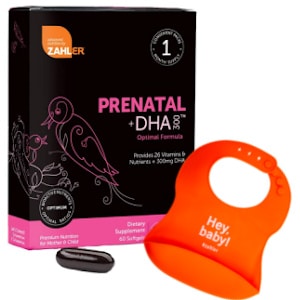
FREE Silicone Baby Bib & 30% off the Zahler Prenatal +DHA on Amazon with code PREPODHA30. The Zahler Prenatal +DHA is made with high-quality nutrients like the active form of folate and bioavailable iron. Plus, it includes essential nutrients like omega-3s that you will not find in most other prenatal vitamins.
Valid through 3/31/26. Email your order number and mailing address to [email protected] to get your free silicone baby bib. (The current promo code is always available here.)

VTech VM901 Baby Monitor makes monitoring effortless whether you’re at home or away. With a 1080p HD camera and a 5” parent unit, it’s designed for convenience and reliable performance. As the #1 Baby Monitor Brand in North America, VTech is trusted by millions of families. Click here to check out the VTech VM901 Baby Monitor.
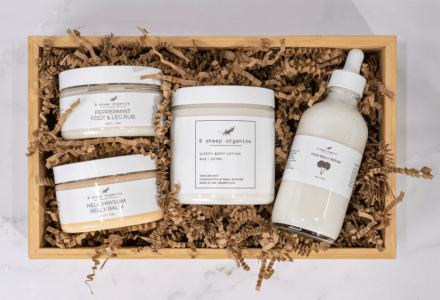
From skin care to treating common pregnancy symptoms like stretch marks, 8 Sheep Organics has you covered. Every product comes with a 100-Day Happiness Guarantee. If you’re not 100% happy with your purchase, simply send them an email and they will get you a refund, no questions asked. Click here to save 10%.
Article and Resources
What Body Image Really Means
Body image includes your thoughts, feelings, and perception of your body. It is entirely subjective, meaning what you see in the mirror may be very different from how others see you. The term was first used in 1935 by a neurologist and psychoanalyst who noticed that a person’s perception of their body might not match how others see them or any objective standard. Body image exists on a wide spectrum, from feeling confident and grateful for your body to experiencing significant distress about your appearance.
Your body image is shaped by what you see daily through advertising, social media, and the people around you. It is affected by how others view you and by comments about your body and appearance. These influences can start very early and continue throughout life.
Why Body Image Matters During Pregnancy
Pregnancy brings rapid and significant changes to your body in a relatively short period. Your body moves further from the culturally idealized thin figure that Western beauty standards promote, and that shift can create real tension. There are two competing theories researchers have explored. One suggests that pregnancy-related changes conflict with social beauty ideals and therefore increase body dissatisfaction. The other proposes that pregnancy offers a kind of liberation from those ideals, since weight gain and body changes are expected and accepted.
A systematic review and meta-analysis of 17 studies, including over 9,400 responses, found that on a group level, body image dissatisfaction was not statistically different during pregnancy compared to when not pregnant. However, the most consistent finding was the enormous variation between individual women. Some feel worse about their bodies during pregnancy, some feel better, and many feel a complex mix of both. This highlights that there is no single “normal” experience, and your feelings about your body during pregnancy are valid wherever they fall on that spectrum.
How Body Image Shifts Across Pregnancy and Postpartum
Body image is not static during pregnancy. It changes as your body changes, and research helps paint a picture of what that trajectory looks like. A longitudinal study that followed 136 women from pregnancy through six months postpartum found that body image dissatisfaction decreased from pre-pregnancy levels during the second and third trimesters, remained relatively stable during pregnancy, and then rose again after birth, returning to pre-pregnancy levels by three to six months postpartum. The proportion of women reporting elevated body image dissatisfaction was lowest in the third trimester at about 3%, and highest at three months postpartum at 11%.
One study examining body appreciation across trimesters found that women in the first trimester had the lowest body appreciation. Body appreciation increased in the second trimester and was highest in the third. The researchers suggest that during the first trimester, women may experience weight gain and bloating without visibly looking pregnant, which can feel uncomfortable. As the pregnancy becomes more visible, many women begin to prioritize their body’s function over appearance and feel a shift toward appreciation.
Postpartum is where body image can become especially challenging, and we will cover that in more detail later in this episode.
How Media and Advertising Shape Body Image
Advertising and media contribute to the images we see portraying idealized bodies. While this is slowly changing as more brands embrace a wider range of body types, we are still surrounded by heavily edited images. Professional models have been through hair, makeup, and styling before stepping in front of a camera. Their photos are taken by professionals and edited in post-production. You only see the finished product, and even when you know this, it can still influence how you feel about yourself.
One study asked pregnant or postpartum mothers to view either a mock-up of a celebrity magazine featuring photos of pregnant celebrities or a home décor magazine. The pregnant participants who viewed the celebrity magazine reported significantly worse body image than those who viewed the control magazine. Celebrity pregnancy coverage sets unrealistic expectations for what a pregnant body should look like, and research confirms that this type of exposure can negatively affect how expecting mothers feel about their own bodies.
Social Media and Pregnancy Body Image
Social media has become one of the most significant influences on body image. What you see in someone’s feed is what they want you to see. Often, it is a polished version of reality. One of the biggest challenges with social media is the constant comparison to others. During pregnancy, those comparisons extend to bump size, weight gain, and how others seem to be handling their changing bodies.
A recent study specifically examining the relationship between social media use and pregnancy-related body image found that passive social media use, meaning scrolling without actively engaging, was linked to greater body image concerns during pregnancy. The more time women spent passively consuming content, the worse they tended to feel about their bodies.
However, not all social media content is harmful. A study of 261 pregnant and postpartum women found that exposure to body-positive social media content related to pregnancy was associated with better body image and improved mood compared to thin-and-toned idealized images. Women who already had high body appreciation and low social media rumination were somewhat protected against the negative effects of idealized images. If you notice that scrolling leaves you feeling worse about your body, consider curating your feed to include more body-positive accounts and limiting passive scrolling time.
How the People Around You Influence Body Image
Another significant influence on body image is the people closest to you, including family, friends, your partner, and even coworkers. The way your parents modeled body image, comments from family members, and feedback from your partner all shape how you see yourself. Sometimes even a casual comment can have a lasting impact.
Once you are pregnant, comments about your body can become more frequent. Other people, including strangers, may comment on your weight or the size of your belly. Most people mean well, but it does not always come across that way. Comments like “you must be having twins” when you are not, or observations that your belly is “too small,” can be hurtful regardless of intent.
You cannot control what other people will think or say. You do have some control over who you surround yourself with. If someone is making comments you do not appreciate, it is okay to speak up. Research on sociocultural pressures during pregnancy has found that while media, family, and peers can all contribute to body image concerns, protective influences from friends and family that promote body appreciation and attunement can also have a meaningful positive effect.
This is also important to keep in mind as you raise your child. We need to be careful about what we tell our children. Perhaps even more importantly, what we demonstrate for them. If your child sees you stressing about your weight, complaining about your body, or making negative comments about others’ bodies, those messages will be absorbed.
What the Research Says About Body Image and Pregnancy
A meta-analysis that included 17 papers examined how pregnancy-related physical changes affect body image and identified three key themes. Each theme highlights some inner struggles you may experience as you navigate this. The first was what researchers called fatness versus pregnancy, the tension between gaining weight, which is expected in pregnancy, and the discomfort that comes with it. Changes like bigger breasts might move toward a social ideal, while stretch marks move away from it. The second theme was control, described as a nature-versus-self dynamic. This is the struggle between the natural forces driving changes in your body and your desire to control them. Some women felt a loss of control over their bodies during pregnancy. The third theme was the role of woman versus mother, where many women experienced these as competing identities.
Where Your Pregnancy Weight Actually Goes
Weight gain gets significant attention during pregnancy because your doctor or midwife will weigh you at every appointment to monitor the health of your pregnancy. It can help to understand where all that weight actually goes. Your breasts grow about 1 to 3 pounds. Your uterus adds about 2 pounds. The placenta weighs about 1.5 pounds. You gain about 2 pounds in amniotic fluid. Your increased blood volume adds 3 to 4 pounds, and increased fluid volume contributes another 2 to 3 pounds. Your fat stores add about 6 to 8 pounds, and your baby weighs around 7 to 8 pounds. When you add it all up, the majority of pregnancy weight gain is not fat. It is your baby, your placenta, blood, fluid, and the growth necessary to support a healthy pregnancy. See this article for more on gaining weight during pregnancy.
Clothing and Comfort
A practical tip that can make a real difference for your body image is to invest in maternity clothes when your regular wardrobe stops fitting comfortably. It can be very disheartening to squeeze into pre-pregnancy clothes that no longer fit. Wearing clothing that is too tight is a constant reminder that your body is changing, and it does not feel good physically or emotionally. You do not have to spend a lot of money. There is a full episode on maternity clothes, with tips for any budget and hacks for repurposing items already in your closet.
Take Photos
Some expecting mothers document every week of pregnancy with photos, while others prefer to avoid the camera. Even if you are not excited about showing off your bump and changing body, I encourage you to take photos throughout your pregnancy. You can keep them to yourself. This is a short phase in your life, and you may look back later, even many years from now, and wish you had more pictures.
Appreciating What Your Body Can Do
One of the most promising approaches in body image research is shifting the focus from how your body looks to what your body can do. This is called body functionality appreciation. A qualitative study explored experiences of embodiment during pregnancy and postpartum. Women described experiencing both positive aspects, including body connection, agency, and functionality, and negative aspects like body disconnection and discomfort. The researchers found that pregnancy and the postpartum period can be important times for developing a greater appreciation of the body and its functionality. Women who focused on what their bodies could do, grow a baby, give birth, nourish a newborn, rather than how their bodies looked, tended to report more positive body image.
This does not mean you have to love every change or feel grateful for symptoms that make you miserable. It means intentionally noticing what your body is doing can help balance concerns about your appearance. Your body is doing something extraordinary, and recognizing that can be a powerful reframe.
The Role of Self-Compassion
Self-compassion is an attitude of understanding and kindness toward yourself, including your imperfections, struggles, and perceived failures. A growing body of research suggests it is one of the most effective tools for improving body image, particularly during pregnancy and postpartum.
A randomized pilot trial of 71 pregnant and postpartum women found that those who completed a three-week self-compassion meditation program reported significantly reduced body shame and body dissatisfaction and improved body appreciation compared to women in the control group. The effects were moderate in size, meaning they were practically meaningful. This is notable because the intervention was brief, just three weeks, and yet it produced measurable improvements.
Another study examined how self-compassion interacts with body image during pregnancy. The researchers found that self-compassion may protect pregnant women’s body image from the negative effects of appearance-related sociocultural pressure. In other words, women who practiced self-compassion were less affected by the constant cultural messages about how their bodies should look.
Research with postpartum women shows similar findings. A study of 306 women who gave birth in the past year found that self-compassion appeared to buffer the connection between comparing your body to others and disordered eating. Women with above-average self-compassion were less likely to engage in harmful eating behaviors due to body comparisons. Practicing self-compassion does not mean ignoring how you feel. It means treating yourself with the same kindness you would offer a friend going through the same experience.
Exercise and Body Image
Exercise is among the most well-supported interventions for improving body image, and its benefits go far beyond weight management. Exercise during pregnancy is associated with better mood, better sleep, healthier weight gain, improved stress management, and a more positive body image. You do not have to join a gym or follow an intense program. Walking, prenatal yoga, or any movement you enjoy and can sustain are all effective.
Importantly, I encourage exercise for its benefits to your physical and mental health, not as a weight-loss tool. Research shows that when exercise is motivated by body appreciation and enjoyment rather than body dissatisfaction, it leads to more adaptive, sustainable patterns. Find something that works for you and focus on how it makes you feel rather than on how it changes your appearance.
Evidence-Based Techniques to Improve Body Image
A study examined evidence-based techniques to improve body image and classified interventions into four categories. Cognitive behavioral therapy aims to modify dysfunctional thoughts, feelings, and behaviors that contribute to negative body image. Fitness training, especially when perceived improvements in your body’s capabilities were reported, was also studied. Media literacy programs attempt to break down the idea that the idealized images we see are not realistic. Finally, self-esteem enhancement focuses on identifying and appreciating individual differences in appearance, strengths, and talents.
The researchers found that cognitive behavioral therapy had positive effects on body image. Changing the language you use to describe your body, both what you say out loud and what you tell yourself internally, was also effective. Exercise, particularly when connected to a sense of physical capability, was beneficial. What did not work as well were self-esteem enhancement exercises, discussions about physical fitness in isolation, and media literacy programs. The change from effective interventions was real but small, which is an honest reminder that there is no single fix for body image. Improvement comes from consistent, small shifts over time.
Body Image in the Postpartum Period
One thing that surprises many new mothers is that they still look pregnant after giving birth. While you lose significant weight at birth with your baby, the placenta, and amniotic fluid, your body takes time to heal and recover. Evidence shows that body image dissatisfaction rises significantly in the months after birth, with about 11% of women reporting elevated dissatisfaction at three months postpartum compared to less than 3% in the third trimester. Women who had a higher BMI before pregnancy were at greater risk for postpartum body image dissatisfaction.
The Pressure to “Bounce Back”
There is enormous cultural pressure on new mothers to return to their pre-pregnancy bodies as quickly as possible. This “bounce back” narrative is driven by celebrity culture, social media, and even well-meaning comments from people around you. A study of postpartum women examined the sources of pressure to return to pre-pregnancy weight. Self-motivation accounted for 30%, body image dissatisfaction 25%, society 40%, family 18%, media 28%, and other postpartum women 14%. Many women reported multiple sources of pressure to return to pre-pregnancy weight, which is why those totals go over 100%. The researchers concluded that the social expectation to return to pre-pregnancy body shape and size quickly may promote weight loss behaviors and contribute to body dissatisfaction during a period that is already challenging for mental health.
A review of body image dissatisfaction and postpartum depression found that body image dissatisfaction is consistently, though weakly, associated with prenatal and postpartum depression. Some studies found the reverse as well, that depression contributed to negative body image. This makes sense. Negative feelings about your body do not make you happier, and struggling with mood can make it harder to view your body positively.
Your focus after having a baby should be on your overall health and your baby’s, which primarily means eating well, getting sleep when you can, and caring for yourself and your newborn. If it is important to you to return to your pre-pregnancy weight healthily, that is valid. If it is not your priority, that is valid too. What matters is that you are not driven by shame, unrealistic timelines, or comparisons to other people’s recovery.
Eating Disorders and Pregnancy
Eating disorders are behaviors around eating that negatively impact both physical and mental health. One study found that 9.2% of women pre-pregnancy and 7.5% of pregnant women have a clinically diagnosed eating disorder. These percentages do not account for the many individuals who may have an unhealthy relationship with food without a formal diagnosis.
The three most common eating disorders are anorexia nervosa, bulimia nervosa, and binge eating disorder. Anorexia is characterized by extremely low body weight and restricted food intake. Bulimia involves cycles of binge eating followed by compensatory behaviors like purging or excessive exercise. Binge eating disorder involves episodes of eating large quantities of food without the compensatory behaviors seen in bulimia. External influences on body image can contribute to eating disorders, though there may also be genetic and neurobiological factors involved.
Eating disorders can affect fertility, though overall data does not show significantly higher infertility rates. The Norwegian Mother and Child Cohort Study, which included over 35,000 participants, examined birth outcomes of women with eating disorders. They found associations with adverse birth outcomes, low and overweight babies, premature labor, higher rates of morning sickness, stress about weight gain, breastfeeding difficulties, and slower infant growth rates.
There is some good news. Women who have an eating disorder before getting pregnant generally tend to improve during pregnancy, though that does not mean it is easy. Unfortunately, pregnancy can also cause past eating disorders to resurface.
One of the biggest challenges in addressing eating disorders during pregnancy is stigma. A study found the biggest barrier to identifying eating disorders during pregnancy is the shame, embarrassment, and fear of judgment that prevent people from disclosing their struggles. This affects an estimated 1 in 4 people with an eating disorder during pregnancy. Combined with the reality that many care providers receive limited training on eating disorders and appointments are typically 15 minutes or less, this topic often does not get the attention it deserves. If you have a history of disordered eating, please disclose this to your doctor or midwife. It is important information for your care team.
Body Dysmorphic Disorder
Body dysmorphic disorder is a mental health condition in which you cannot stop thinking about perceived defects or flaws in your appearance that others may not even notice. These concerns can cause significant anxiety and may lead you to avoid social situations or engage in obsessive behaviors. If you are experiencing symptoms that go beyond typical body image concerns and are affecting your daily life, this is worth discussing with your care provider or a mental health professional.
Navigating Body Image if You Are Transgender or Non-Binary
It is important to acknowledge that body image during pregnancy can present unique challenges for transgender and non-binary individuals. The physical changes of pregnancy may not align with your gender identity, and the experience can be emotionally complex. If this applies to you, working with a care provider who has experience with diverse gender identities and pregnancy can be especially helpful. Your experience matters, and you deserve care that respects your identity alongside your pregnancy.
Closing Thoughts
Your body is going through one of the most significant transformations of your life, and how you feel about that is on a wide spectrum of normal. If you are not thrilled with your body image before, during, or after pregnancy, you are not alone. Research shows that body dissatisfaction is common during this time, and it does not mean you are doing anything wrong.
If there is one takeaway from this episode, try shifting your focus from how your body looks to what your body is doing. Your body is growing a human, and that is extraordinary. Treat yourself with the same compassion you would offer a friend going through this. Be mindful of what you consume on social media, move your body in ways that feel good, and give yourself grace as your body changes and recovers.
Talking to Your Doctor or Midwife
If you are struggling with body image, an eating disorder, or negative habits around eating, please bring this up with your doctor or midwife. If you have dealt with an eating disorder in the past or are currently struggling, disclosing this is one of the most important things you can do for your care. If you have specific struggles, you may want to seek a care provider who has experience with those issues. You are not alone in this, and there are resources to help.
Thank you to the brands that help power this podcast.
FREE Silicone Baby Bib & 30% off the Zahler Prenatal +DHA on Amazon with code PREPODHA30.
Zahler goes above and beyond using the latest scientific research to formulate their Prenatal +DHA with high-quality nutrients like the active form of folate and bioavailable iron. Plus, it includes essential nutrients like omega-3s that you will not find in most other prenatal vitamins. Not all prenatal vitamins are created equal. This vitamin is carefully formulated with the nutrients you and your baby require in the optimal ratios for absorption, metabolism, and safety.
Valid through 3/31/26. Email your order number and mailing address to [email protected] to get your free silicone baby bib. (The current promo code is always available here.)
VTech offers a wide range of baby monitors designed for today’s modern parents. As the #1 Baby Monitor Brand in North America, VTech is trusted by millions of families to deliver crystal-clear HD video, reliable performance, strong night vision, and convenient smartphone access. The VTech VM901 Baby Monitor makes monitoring effortless whether you’re at home or away. With a 1080p HD camera and a 5” parent unit, it’s designed for convenience and reliable performance. As the #1 Baby Monitor Brand in North America, VTech is trusted by millions of families. Click here to check out the VTech VM901 Baby Monitor.
8 Sheep Organics makes amazing, 100% clean, natural pregnancy products. From skin care to treating common pregnancy symptoms like insomnia and stretch marks, 8 Sheep Organics has you covered. Every product comes with a 100-Day Happiness Guarantee. You can try it completely risk-free for 100 days. If you feel the product has not worked for you, or if you’re not 100% happy with your purchase, simply send them an email and they will get you a refund, no questions asked. Click here to save 10%.

