
Recommendations for exercise during pregnancy can feel confusing, especially when advice sounds restrictive, outdated, or inconsistent. Rather than feeling afraid to work out, this episode examines the evidence to clarify what actually matters when exercising during pregnancy. You will learn how pregnancy-related changes can affect your workouts and how to adapt your activity safely and confidently. We cover warning signs to watch for, activities that require caution, and how current guidelines compare with the research. This episode lays the foundation for understanding the role exercise can play during pregnancy and helps you feel informed and confident in your workout choices.
Listen Now
This episode is made possible with support from our sponsors. I appreciate your support for the brands that help power this podcast.

From skin care to treating common pregnancy symptoms like stretch marks, 8 Sheep Organics has you covered. Every product comes with a 100-Day Happiness Guarantee. If you’re not 100% happy with your purchase, simply send them an email and they will get you a refund, no questions asked. Click here to save 10%.

The VTech V-Hush Stroller Rocker is a portable device that gently rocks your baby’s stroller or crib to help them sleep peacefully anywhere. Save 20% with the code VTPODCAST20 and check it out here.
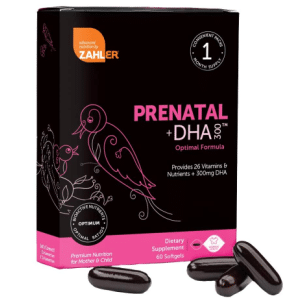
40% off the Zahler Prenatal +DHA on Amazon with code ZAPREN40. The Zahler Prenatal +DHA is made with high-quality nutrients like the active form of folate and bioavailable iron. Plus, it includes essential nutrients like omega-3s that you will not find in most other prenatal vitamins. (40% off through 1/31/26. The current promo code is always available here.)
Become a Pregnancy Podcast Premium member or log in to access all articles and episodes ad-free.
Article and Resources
Benefits of Exercise in Pregnancy
We all know that exercise supports your health in the short and long term, and those benefits do not stop during pregnancy. Regular exercise during pregnancy can lower your risk of complications such as gestational diabetes, preeclampsia, and cesarean birth, and support healthy weight gain. It can also ease common pregnancy symptoms like constipation and back pain.
Sleep is another area where exercise can have a meaningful impact. Research suggests a strong relationship between sleep and exercise. Exercise can help you sleep, and high-quality sleep can help you recover better and get more out of your workouts. A systematic review and meta-analysis found that pregnant women who exercised regularly had significantly improved sleep quality. Timing matters. To support sleep, aim to finish your workout at least two to three hours before bedtime.
Exercise can also support stress management. It may seem counterintuitive that physical stress can help reduce psychological stress. Exercise influences hormones involved in the stress response and may help ease symptoms linked to chronic stress, including cardiovascular strain and impaired immune function. One challenge is that research shows stress can make it harder to stay active. The more stress you feel, the less motivated you may be to move, creating a negative feedback loop. One way to interrupt that pattern is to make exercise a habit, even if that means scaling back and keeping it simple on stressful days.
This episode provides an overview of exercise during pregnancy. More in-depth episodes will follow, focusing on specific types of exercise, including cardio, strength training, and yoga.
Recommendations for Exercise During Pregnancy
As you learn about different aspects of pregnancy, it can be helpful to understand where recommendations come from and how your care provider may be thinking about them. I often reference guidance from the American College of Obstetricians and Gynecologists because their recommendations guide most hospitals and obstetric providers. ACOG bases its guidelines on available evidence, but they are designed to apply broadly to all pregnant women, including those with complications. As a result, their recommendations tend to be conservative.
ACOG recommends that pregnant women aim for at least 150 minutes of moderate-intensity aerobic activity each week. They define moderate intensity as activity that uses large muscle groups in a rhythmic way and raises your heart rate and breathing. You should be able to talk during the activity, but not sing. Moderate-intensity exercise can include a wide range of activities, from a brisk walk to everyday movement like gardening.
Relative Effort Matters More Than Performance
One of the most critical mindset shifts during pregnancy is moving away from performance-based metrics and toward relative effort. Your heart rate, breathing, and perceived exertion may change even if you are doing the same workout you did before pregnancy. Blood volume increases, lung capacity decreases, and your body is working harder overall. It is normal to feel winded sooner or to notice that your pace, routine, or weights change. This does not automatically mean exercise is unsafe. It means your body is adapting. Tools like the talk test and perceived exertion are often more helpful than heart rate targets or pace goals during pregnancy. If something feels unsustainable, overly exhausting, or uncomfortable, that is valuable information. The goal during pregnancy is not to hit personal records. The goal is to stay active in a way that supports your health and adapts to the changes happening in your body.
Why Pregnancy Exercise Advice Can Feel Conservative
Many recommendations about exercise during pregnancy err on the side of caution. That is important to understand, because it helps explain why advice can sometimes feel restrictive or even inconsistent. Pregnant women are often excluded from research studies, especially women with higher-risk pregnancies. A lack of evidence does not automatically mean something is unsafe. In many cases, it means we simply do not have high-quality data. Medical organizations like ACOG create guidelines intended to apply to the broadest possible population, including people with complications or limited access to individualized care.
For these reasons, recommendations are often conservative. This is why you may hear blanket advice like do not lift heavy weights, avoid lying on your back, or never let your heart rate get too high. When you look more closely at the research, many of these concerns are theoretical or based on older assumptions rather than strong evidence of harm. This does not mean you should ignore guidance. It means that safety during pregnancy is often about context. Your experience level, how your body feels, and any pregnancy complications matter.
Precautions for Exercise
ACOG has shifted how it frames precautions around exercise during pregnancy. Rather than listing extensive contraindications, their guidance now emphasizes that if you are healthy and your pregnancy is normal, it is safe to continue or start regular physical activity. ACOG also notes that it is important to discuss exercise with your ob-gyn during your early prenatal visits. If your ob-gyn gives you the OK to exercise, you can discuss what activities you can do safely.
Beyond specific high-risk medical scenarios, many of the same safety precautions you would follow before pregnancy still apply. That said, some pregnancy exercise recommendations are intentionally conservative. For some expecting mothers, this can create fear around doing anything that carries even minimal risk.
ACOG identifies specific activities that should be avoided during pregnancy due to a higher risk of injury. These include contact sports or activities that pose a risk of abdominal injury, such as ice hockey, boxing, soccer, and basketball. They also recommend avoiding activities with a higher risk of falling, including downhill skiing, water skiing, surfing, off-road cycling, gymnastics, and horseback riding. ACOG cautions against hot yoga and hot Pilates because of the risk of overheating. Additional activities to avoid include exercising at altitudes above 6,000 feet if you do not already live at a high altitude, skydiving, and scuba diving.
It is also worth noting that many recreational activity providers (think zip lining, ATVs, etc.) restrict participation during pregnancy for liability reasons, even if an activity might otherwise be considered low risk. These policies are often based on insurance requirements rather than evidence of harm.
Warning Signs to Stop Exercising
Most of the warning signs that indicate you should stop exercising are obvious. The list from ACOG includes regular, painful contractions of the uterus, bleeding, fluid gushing, or leaking from the vagina. Other warning signs include feeling dizzy or faint, shortness of breath before starting exercise, chest pain, headache, muscle weakness, calf pain, or swelling.
Paying attention to how your body feels is key to keeping exercise within safe limits. For most pregnant women, exercise is safe and beneficial. If you feel excessively fatigued, overly winded, or uncomfortable, that is a signal to slow down or stop. Maintaining or starting an exercise routine during pregnancy can be very helpful. It is just as important to rest when your body needs it. Pushing beyond your limits increases the risk of injury and other complications. If you feel like you may be overdoing it, that feeling is worth listening to.
Experience Level with Exercise Matters
Your experience with exercise before pregnancy plays a vital role in how you approach movement during pregnancy. There is a difference between someone new to exercise and someone with an active lifestyle. According to ACOG, if you were very active before pregnancy, you can keep doing the same workouts with your ob-gyn’s approval. They also note that if increased activity leads to weight loss, you may need to increase your calorie intake. If exercise is not currently part of your routine, it is never too late to start. ACOG recommends beginning with as little as 5 minutes of activity per day and gradually increasing by about 5 minutes each week until you can stay active for about 30 minutes a day.
Physical Changes During Pregnancy that Can Impact Your Exercise
Pregnancy brings many physical changes that can affect how exercise feels and how much energy you have. These changes may influence your motivation, comfort, and performance, and they can vary from person to person and across different stages of pregnancy. Importantly, these changes do not mean you should avoid exercise. They help explain why movement may feel different and why adjusting intensity, duration, or type of exercise is both normal and appropriate during pregnancy.
Fatigue
Fatigue is common during pregnancy, particularly in the first and third trimesters. Several physiological changes, including increased progesterone levels, expanded blood volume, lower blood pressure, higher metabolic demands, and changes in blood sugar regulation, drive it. All of these processes require energy, which can leave you feeling more tired than usual.
If you experience fatigue, rest is essential. That may mean taking a nap, going to bed earlier, shortening a workout, or skipping exercise altogether for a day or two. Fatigue is not a sign that you are doing something wrong. It is a normal part of pregnancy, and you may need to adjust your activity level to match your energy.
Morning Sickness
Morning sickness refers to nausea, with or without vomiting, during pregnancy. Despite the name, it does not only occur in the morning and can happen at any time of day or persist throughout the day. Morning sickness affects about 60-80% of pregnant women and is most common in the first trimester. Symptoms can begin as early as one to two weeks after conception and often improve after about 12 weeks, around the start of the second trimester.
When you are not feeling well, morning sickness can significantly affect your motivation and ability to exercise. If there is a time of day when your symptoms are milder, schedule activity during that window. It is also reasonable to scale back or pause exercise altogether until symptoms improve. For many women, energy and tolerance for movement increase as morning sickness resolves.
Weight Gain
Weight gain during pregnancy is expected and necessary. For someone with a normal pre-pregnancy body mass index, the general guideline is a total weight gain of about 25 to 35 pounds (11-16 kg). In reality, half of all pregnant women gain more than the recommended range. Regardless of where you fall within these guidelines, additional weight places increased strain on your joints, muscles, and feet. This can affect how exercise feels and may require adjustments to the type, intensity, or duration of activity you choose.
Your Center of Gravity Shifts
As pregnancy progresses, much of the weight you gain is concentrated in your abdomen, which shifts your center of gravity. This change can affect your balance and make you more prone to instability or falls. A shifted center of gravity can also alter the way you walk and how pressure is distributed through your legs and feet.
Changes in Your Breasts
Breast tenderness is common during pregnancy, particularly early on. Most women will notice their breasts increase in size beginning in the first trimester as the ducts and alveoli rapidly multiply in preparation for breastfeeding. These changes can make your breasts more sensitive during movement. As your breasts grow and become more sensitive, you may need additional support during exercise. Wearing a well-fitting, supportive sports bra can make activity more comfortable, and you may need to change sizes as your pregnancy progresses.
Changes to Your Cardiovascular System
During pregnancy, your blood volume increases by about 50% to support your growing baby and placenta. This added volume requires your heart to work harder, which can cause your heart rate to rise more quickly during exercise. Even at rest, heart rate tends to be higher during pregnancy. Because of these changes, activities that once felt easy may feel more challenging. If you notice that your heart rate feels uncomfortably high or you feel overly winded, that is a signal to slow down or take a break. Using cues like how you feel and whether you can comfortably carry on a conversation can be more helpful than focusing on specific heart rate numbers.
Changes to Lung Capacity
As your pregnancy progresses and your uterus grows, it can push upward on surrounding organs, reducing lung capacity. This may make breathing feel more difficult or leave you short of breath, particularly during cardio-focused activities. Reduced lung capacity is not a reason to avoid exercise, but it is something to be aware of. Your oxygen levels influence your baby’s oxygen supply, so feeling winded is a cue to slow down and allow your breathing to recover.
Relaxin
Relaxin is a hormone that increases during pregnancy and helps loosen ligaments in preparation for labor and birth. While this effect is important, relaxin does not act only on the pelvis and hips right before your baby is born. Relaxin affects ligaments throughout the body for the duration of pregnancy. Ligaments provide joint stability. Increased laxity can raise the risk of injury, particularly during movements that involve rapid direction changes, deep stretching, or heavy lifting. Being mindful of joint stability and avoiding movements that push beyond a comfortable range can help reduce injury risk.
Swelling and Edema
Swelling during pregnancy, also called edema, is common and results from several normal physiological changes. Blood volume and fluid levels increase significantly. As your uterus grows, it places pressure on blood vessels in the pelvis and legs, which can slow circulation and cause fluid to pool in the lower extremities. Hormonal changes can also soften the walls of veins, making them less efficient at returning blood to the heart.
Swelling is most common in the third trimester and may be accompanied by numbness, tingling, or aching in the legs and feet. While swelling can be uncomfortable, simple adjustments may help reduce it. One study found that exercising in a pool was associated with decreased swelling during pregnancy. If this is something you experience, one of the best things you can do is take a break and prop your feet up.
Carpal Tunnel Syndrome
Fluid buildup in the wrists during pregnancy can compress the median nerve, leading to tingling, numbness, or pain in the hands. This can result in carpal tunnel syndrome, which may affect grip strength and make specific movements uncomfortable. One study estimated the prevalence of carpal tunnel syndrome during pregnancy to be about 34%. Carpal Tunnel is more common in the second and third trimesters as swelling increases.
If your exercise routine involves gripping weights, bars, or other equipment, carpal tunnel symptoms can make these activities more challenging. Modifying exercises, reducing grip demands, or taking breaks as needed can help you stay active while minimizing discomfort.
Breath, Core, and Pelvic Floor
It is essential to address breath, core, and pelvic floor function, as they apply to all movement during pregnancy. When we talk about the core during pregnancy, we are not just talking about the abs. In addition to your abdominal muscles, your core includes your diaphragm, back muscles, and pelvic floor. These muscles work together to manage pressure inside your body and support movement.
Breathing plays a central role in this system. Holding your breath or constantly clenching your abdominal or pelvic floor muscles can increase pressure in ways that are not helpful, especially as your uterus grows. On the other hand, gentle coordination between breath and movement can help support your spine, reduce strain, and make exercise feel more comfortable. This does not mean you need to overthink breathing or consciously control every breath. It means avoiding prolonged breath holding, avoiding constant tightening, and paying attention to how your body responds.
Supine Positioning and Lying on Your Back
You may have heard that you should never lie on your back during pregnancy, especially after the first trimester. This advice comes from concerns about pressure on the vena cava, a large vein that returns blood from the lower half of your body back to your heart. Compression of this vein could reduce blood flow and oxygen delivery. When researchers have looked at this more closely, the evidence is less clear than many people expect. Systematic reviews have found that recommendations to avoid supine exercise are largely based on expert opinion rather than strong evidence of harm. Short periods of exercise or rest on your back are not associated with adverse pregnancy outcomes.
There is a difference between lying flat on your back for long periods and being in a supine position for brief periods during an exercise or stretch. Comfort and symptoms matter. If you feel lightheaded, nauseated, short of breath, or uncomfortable while on your back, that is a signal to change position. Many exercises can also be modified by using an incline, alternating positions, or limiting the time spent on your back.
Exercise and Hydration
Now that you understand exercise recommendations and how pregnancy-related changes can affect your workouts, it is essential to consider hydration. During pregnancy, your fluid needs increase for several reasons. You need additional water to support digestion and nutrient transport, to produce amniotic fluid, and to increase blood volume. You also lose more water through increased urination and respiration, and hormonal and metabolic changes further raise fluid needs.
The American College of Obstetricians and Gynecologists recommends drinking about 64-96 ounces (1.9-2.8 liters) of water each day during pregnancy. If you are exercising, you need additional fluids to replace those lost through sweating.
Your body provides clear signals when you are not getting enough fluids. Thirst or a dry mouth is an early sign that you need to drink more. Other signs of inadequate hydration include urinating less frequently, headaches, fatigue, and dizziness. According to ACOG, you should contact your care provider if you experience signs of more significant dehydration, including very small amounts of dark-colored urine, inability to urinate, difficulty keeping down liquids, dizziness or fainting when standing, or a racing or pounding heartbeat.
One simple way to assess hydration is by paying attention to urine color. Research suggests that urine color is a valid marker of hydration status in pregnant women. Ideally, urine should be pale yellow.
Electrolytes
Electrolytes such as sodium, potassium, calcium, magnesium, and chloride play essential roles in muscle contraction, nerve signaling, fluid balance, and maintaining proper pH levels in the body. You obtain electrolytes from the foods and beverages you consume, and you lose them when you sweat and eliminate fluids. As a result, replacing electrolytes becomes especially important when you exercise. Replenishing electrolytes along with fluids can help support hydration and muscle function and may reduce fatigue or cramping.
Exercise and Calorie Needs
Calorie needs vary based on factors such as age, sex, activity level, and pregnancy status. A commonly referenced baseline for adults is about 2,000 calories per day, but individual needs can vary. According to ACOG, if you are pregnant with a single baby, no additional calories are typically needed during the first trimester. In the second trimester, calorie needs increase by about 340 calories per day, and in the third trimester by about 450 calories per day. These are general estimates and may need to be adjusted based on your activity level. ACOG also notes that people who are more physically active should pay close attention to maintaining adequate calorie intake. If you exercise regularly, you may need additional calories to support both your activity and your pregnancy.
Taking Your Workout Outdoors
Weather permitting, exercising outdoors can offer additional benefits beyond physical movement. Natural sunlight helps your body produce vitamin D, and exposure to light at certain times of day can support your circadian rhythm and hormone regulation. Viewing natural light shortly after waking, around midday, and before sunset can help support healthy sleep and overall energy levels. Being outside can also provide fresh air and a change of scenery, which many people find motivating. It is also helpful to remember that many everyday activities count as exercise. ACOG recognizes gardening, including raking, weeding, and digging, as a form of physical activity. If you choose to exercise outdoors, be mindful of temperature, sun exposure, and staying adequately hydrated, especially during warmer conditions.
Exercise in Hot Weather
Both physical activity and exposure to hot weather increase your risk of overheating. When combined, they require additional caution during pregnancy. Elevated core body temperature in early pregnancy has been associated with an increased risk of neural tube defects and pregnancy loss, and exposure to extreme heat later in pregnancy has been linked in some studies to outcomes such as stillbirth and lower birth weight.
If you live in a hot climate or are exercising during warmer weather, it is essential to take steps to reduce heat exposure. Planning outdoor workouts for early morning or evening hours, when temperatures are cooler, can help. On especially hot days, exercising indoors in a temperature-controlled environment may be a safer option. Staying well hydrated, taking breaks, and paying attention to how your body feels are all important when exercising in the heat.
Sun Exposure During Pregnancy
Sun exposure during pregnancy has both potential benefits and considerations. A review found that exposure to UV radiation in the first trimester was associated with beneficial effects on fetal growth and blood pressure during pregnancy. Sunlight also supports vitamin D production and can positively affect mood.
At the same time, skin tends to be more sensitive during pregnancy. Sun exposure can worsen common skin changes such as melasma, and areas of stretched skin may be more prone to irritation. Because of this increased sensitivity, sun protection becomes more critical. Practical steps to limit excessive sun exposure include wearing a hat, choosing clothing that covers exposed skin, and seeking shade when possible. The American Academy of Dermatology advises using a broad-spectrum sunscreen with an SPF of at least 30, which blocks about 97% of UVB rays. Sunscreen should be reapplied every two hours, or sooner if you are swimming or sweating.
Workout Clothing in Pregnancy
If this is your first pregnancy, your regular clothes will often fit through the first trimester. Around weeks 12 to 13, many women notice that their clothing feels tighter and less comfortable as their bellies grow. If this is not your first pregnancy, or if you are pregnant with twins or multiples, you may notice these changes earlier. Depending on the type of exercise you do, maternity workout clothing, especially bottoms, can help improve comfort and reduce restriction as your body changes.
Sports bras deserve special consideration during pregnancy. Breast size can continue to change throughout pregnancy. As a result, you may need to size up over time, so it is best to avoid stocking up on bras early on. If you need additional support, wearing two sports bras can be a simple and effective option. There are ways to adapt workout clothing at many price points, and the goal is to stay comfortable with the resources you have.
Exercise and Naturally Inducing Labor
Many people wonder whether exercise can help naturally induce labor. Activities like walking or stair climbing are often suggested because being upright allows gravity to help your baby move lower into the pelvis. Walking may increase pressure on the cervix as the baby descends. Climbing stairs requires greater hip and leg movement, which could theoretically increase that pressure compared to walking on flat ground.
However, there is no strong evidence showing that any specific type of exercise directly causes labor to begin. In one study, mothers were asked whether they believed anything triggered the start of their labor. About 32% reported physical activity, most commonly walking. If you are interested in the evidence-based ways to induce labor naturally, there is a separate episode that explores that topic.
How Different Types of Exercise Fit Together
This episode is intended as a general introduction to exercise during pregnancy. There are many ways to move your body, and no single type of exercise is ideal for everyone. Different activities place different demands on your body and offer different benefits. The best exercise is the one you will do, and hopefully, one that you enjoy.
Cardio supports heart health, circulation, and endurance. Strength training supports posture, joint stability, and your ability to handle the physical demands of pregnancy and daily life. Yoga supports mobility, balance, body awareness, and stress regulation. No one type of exercise is inherently better than another. You will often get the most benefit from incorporating a mix of activities over time.
Your routine does not need to look the same every week. Some weeks may include mostly walking or other gentle cardio. Other weeks may consist of more strength training or yoga. What matters most is choosing a movement you can sustain and adjusting it as your body and pregnancy change. In the following episodes, we will take a closer look at cardio, strength training, and yoga individually so you can decide what feels most supportive for your body, experience level, and pregnancy.
Talk to Your Doctor or Midwife
It is important to discuss your exercise and activity with your doctor or midwife, taking into account your experience level and the specifics of your pregnancy. Keep in mind that general exercise recommendations during pregnancy are intended to apply broadly and are generally conservative. In addition, many care providers receive limited formal education in exercise. One study found that more than half of physicians trained in the United States received no formal education in physical activity. Even for providers who are knowledgeable about exercise, it can be challenging to have a detailed conversation during a prenatal appointment that may last only 15 minutes.
If your care provider has reservations about workouts you feel comfortable doing, take the time to talk through their concerns and ask for clarification. Understanding the reasoning behind their guidance can help you make informed decisions. If you are not currently very active and your care provider encourages you to start exercising, begin slowly. Starting with just a few minutes a day is enough to build consistency. Whether you are an experienced athlete or completely new to exercise, most activities can be modified to support your body during pregnancy.
Thank you to the brands that help power this podcast.
Save 40% off the Zahler Prenatal +DHA on Amazon with the code ZAPREN40.
Zahler goes above and beyond using the latest scientific research to formulate their Prenatal +DHA with high-quality nutrients like the active form of folate and bioavailable iron. Plus, it includes essential nutrients like omega-3s that you will not find in most other prenatal vitamins. Not all prenatal vitamins are created equal. This vitamin is carefully formulated with the nutrients you and your baby require in the optimal ratios for absorption, metabolism, and safety. (40% off through 1/31/26. The current promo code is always available here.)
Save 20% OFF the VTech V-Hush Stroller Rocker with Code VTPODCAST20
The VTech V-Hush Stroller Rocker is a portable device that gently rocks your baby’s stroller or crib to help them sleep peacefully anywhere. With three adjustable motion levels, you can choose the perfect calming rhythm for your baby. It also includes a built-in amber night light, a rechargeable battery, soothing sounds, white noise, and lullabies. Soothe your baby to sleep anywhere with the V-Hush Stroller Rocker. Save 20% with the code VTPODCAST20 and check it out here.
8 Sheep Organics makes amazing, 100% clean, natural pregnancy products. From skin care to treating common pregnancy symptoms like insomnia and stretch marks, 8 Sheep Organics has you covered. Every product comes with a 100-Day Happiness Guarantee. You can try it completely risk-free for 100 days. If you feel the product has not worked for you, or if you’re not 100% happy with your purchase, simply send them an email and they will get you a refund, no questions asked. Click here to save 10%.

